

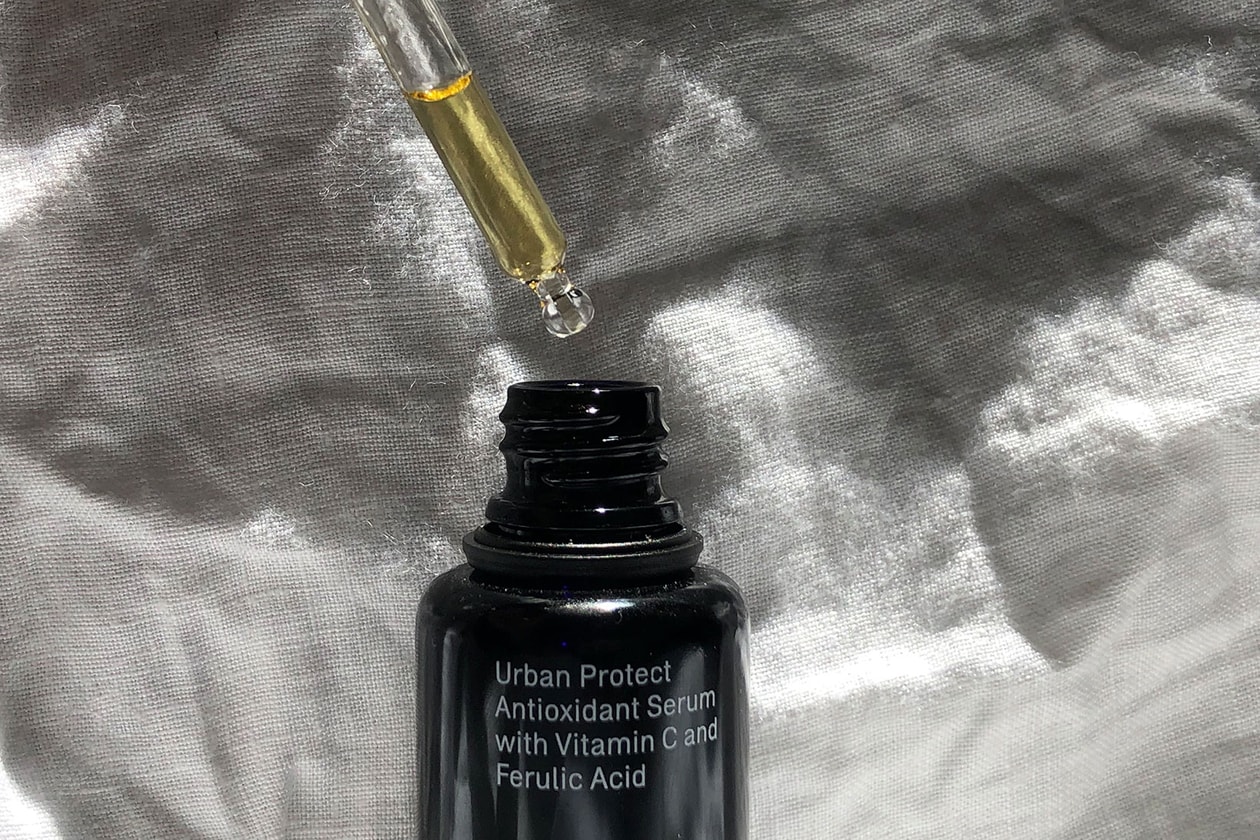
Let’s be honest. Living in the city is a trade-off. You get the energy, the culture, the convenience. But you also get… well, the grime. And I’m not just talking about what you can see. Urban pollution is this invisible, insidious cocktail of particulate matter, ozone, heavy metals, and nitrogen oxides. It doesn’t just dirty your car; it actively ages your skin. That’s where topical antioxidants come in. Think of them as your skin’s personal, microscopic security detail.
What’s Actually Happening to Your Skin Out There?
Here’s the deal. Pollution particles are tiny—often 20 times smaller than your pores. They settle on your skin and, with the help of UV light, trigger a cascade of free radicals. You know, those unstable molecules that steal electrons from your healthy skin cells. It’s a process called oxidative stress, and it’s a bit like leaving a sliced apple out on the counter. It turns brown, it degrades. That’s essentially what’s happening at a cellular level.
The fallout? It’s more than just a dull complexion. We’re talking about a breakdown of collagen and elastin (hello, fine lines), exacerbated inflammation (think redness and conditions like eczema), hyperpigmentation, and a seriously compromised skin barrier. Your skin’s natural defense system just gets overwhelmed.
Antioxidants: The Neutralizing Agents
So, if free radicals are the arsonists, antioxidants are the fire brigade. They donate an electron to stabilize the free radical, stopping the chain reaction of damage in its tracks. While eating your berries and leafy greens is crucial for internal health, the molecules are often too large or get used up elsewhere before reaching your skin. That’s why topical application—putting them directly where the battle is happening—is such a game-changer for urban pollution defense.
The Key Players in Your Skincare Arsenal
Not all antioxidants are created equal. Some are brilliant multitaskers; others are specialists. For city living, you want a blend. Here are the heavy-hitters:
- Vitamin C (L-ascorbic acid): The gold standard. It’s a water-soluble antioxidant that directly neutralizes free radicals, helps regenerate Vitamin E, and brightens dark spots. It’s like sending in the special forces first thing in the morning.
- Vitamin E (Tocopherol): A fat-soluble antioxidant that protects the lipid-rich cell membranes. It works synergistically with Vitamin C—each makes the other more effective and longer-lasting. A classic power couple.
- Ferulic Acid: This is the stabilizer. When added to a C and E serum, it not only boosts their efficacy but also makes the formula more stable and provides its own potent defense against sun and pollution damage. It’s the ultimate wingman.
- Niacinamide (Vitamin B3): A true multi-tasker. It strengthens the skin barrier (making it harder for pollutants to penetrate), reduces inflammation, and helps repair DNA damage. It’s the reliable, steady hand your routine needs.
- Resveratrol & Green Tea Extract (EGCG): These are potent plant-derived antioxidants known for their calming, anti-inflammatory properties. They’re excellent for soothing skin that’s irritated by urban aggressors.
Building an Effective Anti-Pollution Skincare Routine
Okay, so you’ve got the ingredients list. How do you actually use them? It’s simpler than you might think. Consistency is your best friend here.
| Step | Product Type | Key Antioxidant(s) | Why It Matters |
| 1. Morning Cleanse | Gentle, low-pH cleanser | Maybe a hint of Green Tea | Removes overnight buildup without stripping the barrier. |
| 2. Core Defense | Serum (the star of the show) | Vitamin C + E + Ferulic Acid | Provides the primary layer of neutralizing protection for the day ahead. |
| 3. Support & Soothe | Moisturizer | Niacinamide, Resveratrol | Strengthens the skin barrier and adds a second layer of defense. |
| 4. Non-Negotiable Seal | Broad-Spectrum SPF 30+ | Often formulated with antioxidants | Sunscreen is the ultimate anti-pollution step. UV rays activate pollutants. |
| 5. Evening Reset | Double Cleanse & Repair Serum | Retinol, Niacinamide | Thoroughly removes daily grime. Night is for repair and strengthening. |
Honestly, the most common mistake? Using a great antioxidant serum but skipping the sunscreen. It’s like building a fortress and then leaving the gate wide open. UV radiation is the catalyst that supercharges pollution damage. You need the one-two punch.
Beyond the Bottle: Holistic Urban Defense
Topical antioxidants are phenomenal, but they’re part of a bigger picture. Think of your skin’s health like a bank account. Antioxidants are a daily deposit, but you can’t keep making withdrawals. A few lifestyle tweaks can really amplify your results:
- Double cleanse in the evening. Seriously. A micellar water or oil-based cleanser first to break down pollution particles and sunscreen, followed by a gentle water-based cleanse.
- Consider a weekly mask with charcoal or clay to help draw out impurities that have settled deeper.
- Boost your diet with those internal antioxidants—pomegranates, tomatoes, dark chocolate. It all helps from the inside out.
- And maybe, you know, invest in a good air purifier for your bedroom. Giving your skin 8 hours of clean air to recover is a silent game-changer.
The Takeaway: It’s Proactive, Not Reactive
For a long time, skincare was about fixing problems we could already see. The shift now—especially for those of us breathing in city air—is toward prevention. Topical antioxidants are that preventative shield. They’re working silently in the background, neutralizing threats before they can leave a lasting mark.
It’s less about fighting a single battle against a wrinkle or a dark spot, and more about fortifying your skin’s entire ecosystem against the constant, low-grade stress of modern life. That’s the real goal. Because your skin isn’t just facing the elements; it’s facing the 21st century. And honestly, giving it the right tools to stand strong feels less like a chore and more like a smart, necessary form of self-care.