

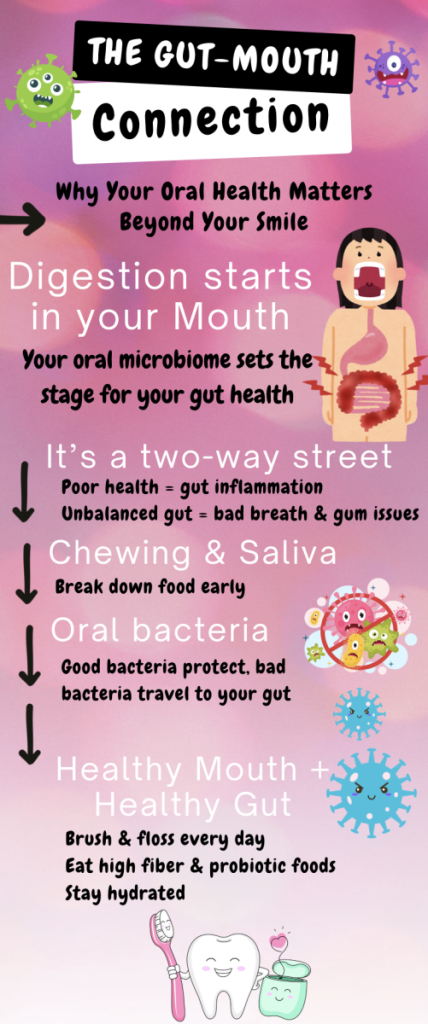
You know that feeling when you brush your teeth and your mouth just feels… clean? It’s a small victory, sure. But what if I told you that the health of your mouth is actually a window into the rest of your body? Honestly, it’s not just about avoiding cavities or bad breath. The oral microbiome—that bustling community of bacteria, fungi, and viruses living in your mouth—plays a starring role in your overall systemic health. We’re talking heart health, brain function, even your immune system. Let’s unpack that.
What Exactly Is the Oral Microbiome?
Think of your mouth as a rainforest. It’s warm, moist, and teeming with life. The oral microbiome is the collection of microorganisms that call your mouth home—over 700 species of bacteria alone, plus fungi like Candida and even some viruses. Most of these microbes are harmless, even helpful. They help break down food, protect against pathogens, and keep your immune system on its toes.
But here’s the catch—when this ecosystem gets out of balance, things go sideways. That imbalance is called dysbiosis. And dysbiosis? It doesn’t stay in your mouth. It travels.
The Gatekeeper Effect: How Your Mouth Talks to Your Body
Your mouth is literally the gateway to your digestive tract and bloodstream. Every time you swallow, you’re sending a sample of your oral microbiome down into your gut. When you have gum disease or an infection, those bacteria can enter your bloodstream directly through inflamed tissues. It’s like leaving your front door wide open—anything can wander in.
That’s where the real trouble starts. The same bacteria that cause plaque and gingivitis—like Porphyromonas gingivalis and Fusobacterium nucleatum—have been found in artery plaques, in the brains of Alzheimer’s patients, and even in the placentas of pregnant women. Yeah, it’s that serious.
Oral Health and Heart Disease: The Unseen Link
Let’s start with the heart. You’ve probably heard that gum disease is linked to heart attacks. But how? Well, when oral bacteria enter the bloodstream, they can trigger inflammation. Chronic inflammation is a known driver of atherosclerosis—the buildup of plaque in your arteries. A 2019 study in the Journal of Clinical Periodontology found that people with severe periodontitis had a 25% higher risk of cardiovascular disease. That’s not a small number.
Here’s a quick breakdown of the connection:
- Bacteria travel: Streptococcus mutans and P. gingivalis can enter the bloodstream through gum pockets.
- Inflammation spikes: Your body mounts an immune response, causing arterial inflammation.
- Plaque formation: Over time, this contributes to hardening and narrowing of arteries.
So, yeah—brushing your teeth might actually protect your ticker. Who knew?
Your Mouth, Your Brain: The Alzheimer’s Connection
Now, this one still blows my mind. Researchers have found P. gingivalis—the main bacteria behind chronic gum disease—in the brains of Alzheimer’s patients. These bacteria produce enzymes called gingipains, which can damage brain cells and trigger the formation of amyloid plaques, a hallmark of Alzheimer’s.
A 2020 study in Science Advances even showed that treating mice with gingipain inhibitors slowed the progression of Alzheimer’s-like symptoms. Sure, it’s early days, but the implication is huge: taking care of your gums might be a cheap, accessible way to reduce dementia risk. No prescription needed.
Diabetes: A Two-Way Street
If you have diabetes, you probably already know it affects your mouth. But did you know it’s a two-way street? Poor oral health can actually make diabetes harder to control. Here’s the deal: gum disease causes inflammation, which increases insulin resistance. That makes blood sugar levels harder to manage. And high blood sugar? It feeds the bacteria in your mouth, creating a vicious cycle.
In fact, the American Diabetes Association notes that treating gum disease can lower HbA1c levels by up to 0.4%—a meaningful drop for many patients. So flossing isn’t just about fresh breath; it’s about metabolic health.
The Gut Connection: Oral Microbiome Meets Digestion
We talk a lot about the gut microbiome—but where do you think those gut bacteria come from? Yep, many of them start in your mouth. When you swallow, you’re seeding your gut with oral microbes. A healthy oral microbiome contributes to a diverse, resilient gut ecosystem. But when oral dysbiosis takes hold, it can disrupt gut health, leading to issues like inflammatory bowel disease (IBD) or even colon cancer.
For example, Fusobacterium nucleatum—a common oral bacteria—has been linked to colorectal cancer. It can travel through the digestive tract and attach to colon cells, promoting tumor growth. Creepy, right?
Pregnancy and Oral Health: A Delicate Balance
Pregnancy hormones change the oral microbiome, making gums more sensitive and prone to inflammation—a condition called pregnancy gingivitis. But here’s the scary part: severe gum disease has been linked to preterm birth and low birth weight. The theory is that inflammatory molecules from the mouth can cross the placental barrier and trigger early labor.
So, if you’re expecting, or know someone who is, don’t skip that dental checkup. It’s not just about the teeth—it’s about the baby.
How to Keep Your Oral Microbiome in Check
Alright, so what can you actually do? Here’s a practical list—no fluff.
- Brush twice a day with a fluoride toothpaste. But don’t go crazy—gentle brushing is better than aggressive scrubbing.
- Floss daily. I know, I know. But it reaches the 40% of tooth surfaces your brush misses.
- Limit sugar and processed carbs. They feed the bad bacteria. Your microbiome loves fiber, veggies, and fermented foods.
- Stay hydrated. Saliva is nature’s mouthwash—it neutralizes acids and washes away debris.
- Consider a probiotic. Some strains like Lactobacillus reuteri and Streptococcus salivarius can help rebalance oral flora.
- Don’t smoke. Smoking wrecks the oral microbiome and increases inflammation. Period.
And sure, see your dentist regularly. But honestly, your daily habits matter more than that six-month visit.
The Big Picture: It’s All Connected
We’ve been conditioned to think of the body in separate parts—the mouth over here, the heart over there, the brain somewhere else. But that’s not how biology works. Your oral microbiome is a living, breathing part of your systemic ecosystem. When it’s healthy, it supports your whole body. When it’s out of whack, it can send distress signals everywhere.
So the next time you’re tempted to skip brushing before bed, think about it this way: you’re not just cleaning your teeth. You’re tuning up your heart, protecting your brain, and feeding your gut—all in one go. That’s a pretty powerful thing.
And honestly? It’s one of the easiest health habits to get right. No gym membership required. Just a toothbrush, some floss, and a little awareness.
Stay curious. Stay healthy. And maybe smile a little more—it’s good for you.