

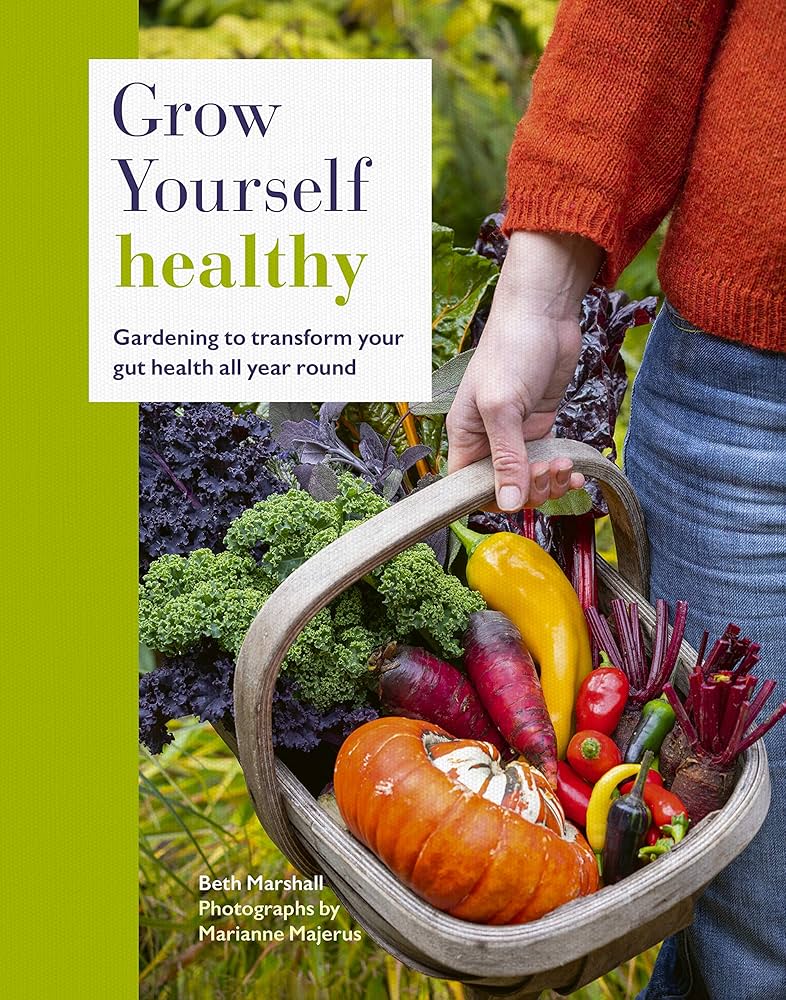
Let’s be honest. City life is a marvel of convenience, but it can be a bit…sterile. We move from sanitized apartments to filtered offices, grabbing food on the go. Our daily rhythm is often disconnected from the natural, messy world. And that disconnect, it turns out, might be costing us. Not just in stress, but in the health of our internal ecosystem—our gut microbiome.
Think of your microbiome as a bustling, ancient city within you. Trillions of microbial citizens—bacteria, fungi, viruses—all working (mostly) in harmony to digest food, train your immune system, and even influence your mood. A resilient microbiome is like a well-run metropolis: diverse, adaptable, and able to weather shocks. The challenge of modern urban living? It can turn that thriving city into a monoculture ghost town.
Why City Life Can Be Tough on Your Gut
It’s not that cities are inherently bad. It’s the specific lifestyle factors that stack up. We have less exposure to green spaces and soil-based microbes. Our diets can be heavy in processed foods—convenient, sure, but often low in the fiber that our good gut bacteria crave. Chronic stress, poor sleep from light and noise pollution, and overuse of antibiotics (in medicine and even in our food chain) all act like urban renewal projects that evict beneficial species.
The result? Lower microbial diversity. And in the world of gut health, diversity isn’t just a nice-to-have; it’s the cornerstone of resilience. A less diverse microbiome is more vulnerable to disruption, less capable of performing its essential jobs, and linked to a host of modern issues from inflammation to anxiety.
Practical Strategies for an Urban Gut Reboot
Okay, enough with the problems. Here’s the deal: you don’t need to move to a farm. Building a resilient microbiome in the city is about clever, consistent nudges. It’s about becoming a thoughtful urban planner for your inner world.
1. Rethink Your Plate (It’s Not Just About Probiotics)
Everyone jumps to yogurt and sauerkraut. And those are great—they’re probiotics, introducing beneficial bacteria. But honestly, they’re like sending in a few new settlers. What they really need is prebiotic fiber—the building materials and food to build a lasting home.
- Feed the good guys: Aim for 30+ different plant-based foods a week. It sounds like a lot, but it counts herbs, spices, nuts, seeds, grains, veggies, and fruits. Diversity on your plate equals diversity in your gut.
- Embrace the “rough stuff”: Onions, garlic, leeks, asparagus, oats, and slightly green bananas are packed with prebiotic fibers like inulin and resistant starch.
- Fermented foods are your friends: Beyond yogurt, try kefir, kimchi, kombucha, or miso. A spoonful a day can make a difference.
2. Get Strategically Dirty
We’re not saying to abandon hygiene. But the “sterile environment” hypothesis suggests our ultra-clean lifestyles are part of the problem. The goal is safe, smart exposure.
- Park, don’t just pass by: Actually sit on the grass. Dig in a community garden plot. The microbes in soil and on plants are surprisingly beneficial.
- Own a pet: Dogs, especially, are fantastic microbiome boosters. They bring the outside in, increasing the microbial diversity of your home environment.
- Open a window: Let the outside air circulate. Indoor air can be a stagnant, low-diversity microbial environment.
3. Manage Your City Stress
Your brain and your gut are in constant conversation via the gut-brain axis. When you’re chronically stressed, you’re essentially sending alarm signals that can alter your gut microbial community.
Find your micro-reset. A 20-minute walk in the nearest park (a practice the Japanese call “forest bathing” or shinrin-yoku). Ten minutes of deep belly breathing. Even just prioritizing sleep—it’s when much of your gut maintenance happens. These aren’t just good for your mind; they’re direct orders to support a resilient microbiome.
The Urban Microbiome Toolkit: A Quick Reference
| Urban Challenge | Microbiome Impact | Resilience-Building Action |
| Processed Food Diet | Lowers diversity, feeds harmful bacteria | Add 1-2 new fibrous veggies each week |
| Limited Green Exposure | Reduces environmental microbe exchange | Weekly “green touch” – gardening or park sit |
| Chronic Stress | Alters gut environment, reduces beneficial bugs | Daily 5-min breathwork or mindfulness |
| Antibiotic Overuse | Wipes out good and bad bacteria | Use only when prescribed; discuss probiotics with your doctor |
| Low Sleep Quality | Disrupts gut repair and rhythm | Prioritize consistent sleep/wake times |
It’s a Marathon, Not a Sprint
Building resilience is about the long game. You won’t fix your gut health with one salad or a single weekend hike. It’s the compound effect of daily, small choices. Forget perfection. Had a takeout burger and fries? No catastrophe. Just maybe follow it with a fiber-rich breakfast the next morning and a walk through those leafy streets on your way to work.
The most profound thought here is this: in seeking convenience and cleanliness, we inadvertently built walls between ourselves and the microbial world that shaped us. Rebuilding a resilient microbiome isn’t about rejecting urban life. It’s about weaving threads of the natural world back into the fabric of our city routines. It’s learning to live in a modern world without becoming a sterile stranger to ourselves.