

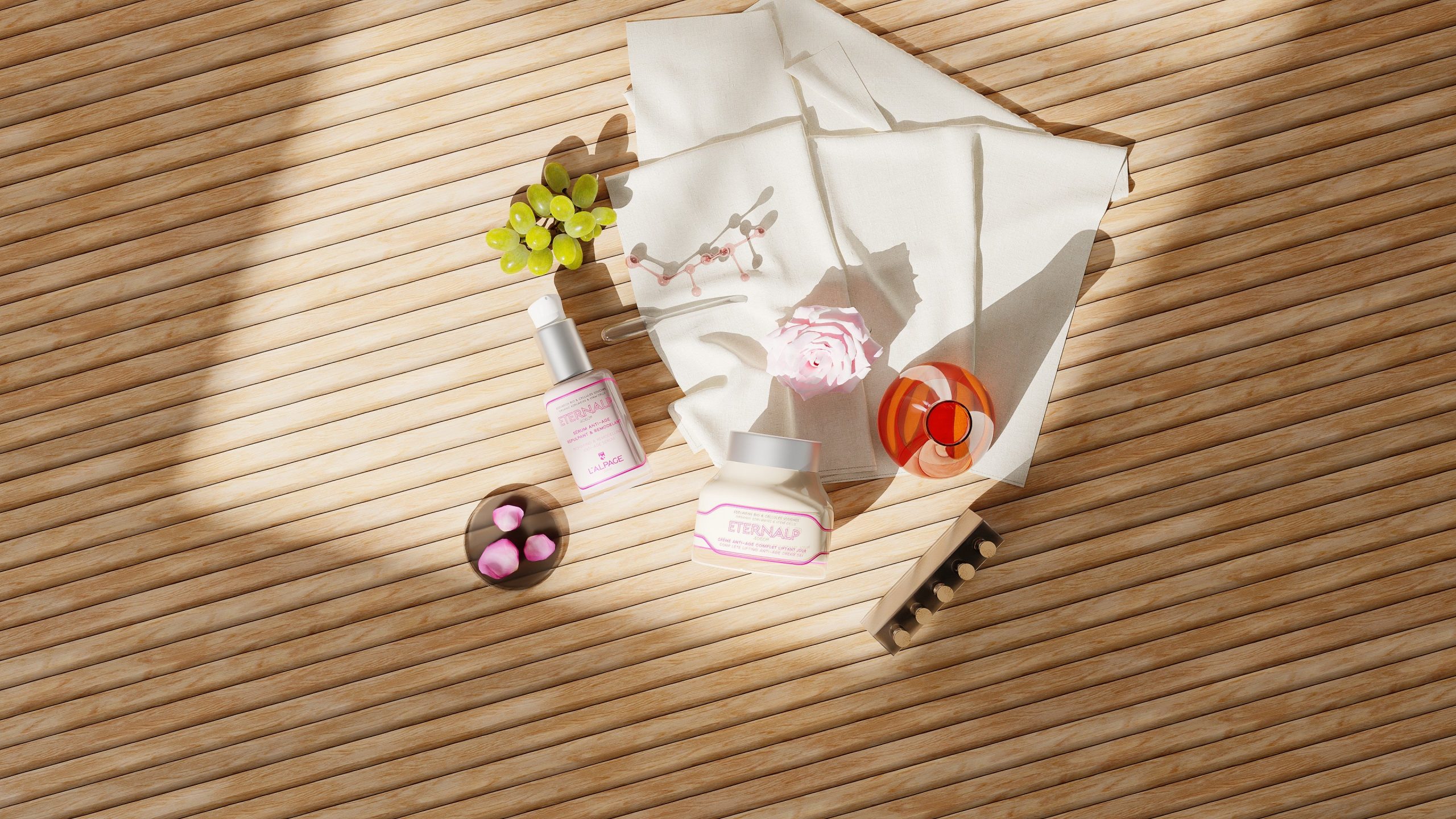
Let’s be honest: skincare can feel like a minefield. For neurodivergent folks—those with autism, ADHD, sensory processing differences, and more—it can be downright overwhelming. The wrong product isn’t just ineffective; it can trigger a sensory storm. That strong floral scent? A headache. That gritty texture? Instant overwhelm.
Here’s the deal: curating a routine that’s both fragrance-free and allergen-conscious isn’t just about avoiding irritation. It’s about creating a moment of calm, a predictable sensory experience in a chaotic world. It’s self-care that actually feels caring. Let’s dive into how to build that sanctuary, one gentle product at a time.
Why “Fragrance-Free” is More Than a Label
First, a crucial distinction. “Unscented” often means synthetic fragrances are used to mask other smells—a sensory bait-and-switch. “Fragrance-free” should mean no masking scents at all. But you have to become a label detective. Look for brands that explicitly state “free from synthetic fragrance” or “no fragrance masking agents.”
Natural isn’t always better, either. Essential oils, while derived from plants, are potent olfactory stimulants and common allergens. A “calming” lavender serum might be pure agony for a sensitive nervous system. The goal is sensory neutrality.
The Sensory Triggers Hiding in Plain Sight
It’s not just smell. Texture—or “mouthfeel for your skin,” as I think of it—is huge. Common culprits include:
- Grittiness or micro-exfoliants in cleansers that feel sharp.
- Slime-like or stringy serums that create drag.
- Extreme tackiness that leaves a residue you can’t ignore.
- Sudden temperature changes (like “cooling” menthols).
And then there’s sound. The schloop of a pump, the crinkle of packaging, the snap of a lid—these auditory notes can set the tone for the whole experience. Honestly, sometimes the most high-tech product loses to a simple, silent tube.
Building Your Allergen-Conscious Toolkit
An allergen-conscious approach dovetails perfectly with sensory needs. It’s about minimizing the chance of a physical reaction (itch, sting, rash) that itself is a massive sensory disruption. You know, a double whammy you just don’t need.
Start by knowing the usual suspects. The “big hitters” include common irritants like certain preservatives (parabens, MIT), lanolin, propylene glycol, and even some “gentle” botanicals. Patch testing isn’t just a suggestion; it’s a non-negotiable ritual. Try a new product on a small area of your inner arm for a few days—not your face. It’s a boring step, but it saves so much trouble.
A Simple, Sensory-Smart Routine Framework
You don’t need ten steps. Often, three or four are plenty. Think of it as editing your skincare wardrobe down to the most comfortable, reliable pieces.
| Step | Sensory & Allergen Priorities | What to Look For |
| 1. Cleanse | No scent, low-foam, rinse-off feeling. Avoids SLS/SLES. | Milky or gel-cream textures. Silicone-free if that texture bothers you. |
| 2. Moisturize | Fast-absorbing, truly non-tacky finish. Humectant-heavy. | Glycerin, squalane, ceramide formulas. Airless pump bottles. |
| 3. Protect (AM) | Mineral (zinc oxide) often best. No white cast, no strong sunscreen smell. | Lightweight lotions. “Invisible zinc” or tinted options. |
| 4. Treat (Optional) | Single-active focus. Predictable texture. | Niacinamide serums or azelaic acid creams. Avoid combo cocktails. |
See? It doesn’t have to be complicated. The mantra is: predictability over novelty. When a product feels and acts the same way every single time, it builds trust. That reliability is the foundation.
The Neurodivergent Advantage in Skincare
This might sound counterintuitive, but your sensory sensitivities can make you an exceptionally discerning curator. That hyper-awareness to texture or smell? It’s a powerful tool for cutting through marketing hype. You become the expert on what your skin and your nervous system truly accept.
In fact, the growing demand for truly minimalist, sensory-friendly skincare is pushing the industry forward. Brands are finally listening—creating products with clear ingredient decks, neutral sensory profiles, and calm, non-stimulating packaging. You’re not just building a routine; you’re participating in a quiet revolution for accessibility in self-care.
Practical Tips for the Journey
- Sample, sample, sample. Many indie brands offer small sizes. Test the sensory experience before committing.
- Embrace “boring” packaging. Simple, matte containers with clear labels are often less visually overstimulating.
- Create a sensory-friendly application environment. Soft lighting, quiet space—make the ritual itself calming.
- Listen to your body’s feedback, not the calendar. Some days, even a trusted moisturizer might feel like too much. And that’s okay. Skip it.
It’s a process of tuning in, not powering through.
Finding Your Sensory Sanctuary
At its heart, this curation is an act of self-advocacy. It’s saying, “My comfort matters.” It’s recognizing that skincare isn’t about achieving some impossible standard of perfection. It’s about creating a small, daily pocket of sensory safety.
The perfect product doesn’t exist. But the right product—the one that feels like nothing and does its job without fanfare—that’s the gold standard. It becomes part of the background, a supportive character in your day rather than a demanding one.
So start simple. Be patient with yourself. And remember: in a world that’s constantly asking your senses to adjust, your skincare routine shouldn’t be one more demand. It should be a respite. A gentle, quiet return to your own baseline. And honestly, that’s a form of beauty all its own.