

You did it. You endured the braces, the rubber bands, the endless adjustments. Finally, the day came—your orthodontist removed the hardware, and your smile was perfect. Straight. Aligned. A masterpiece.
But then, a year or two later, you notice something unsettling. That one lower tooth is starting to crowd again. There’s a tiny gap reappearing. Your retainer feels tighter than it should. What’s going on?
Here’s the deal: orthodontic relapse isn’t just bad luck. Often, it’s because we only fixed half the problem. We moved the teeth into a beautiful new position, but we didn’t address the muscles and habits that pushed them out of place in the first place. That’s where myofunctional therapy comes in—and honestly, it’s a game-changer for long-term stability.
It’s Not Just About Teeth: The Muscle-Tug-of-War in Your Mouth
Think of your teeth as little fence posts set in the soil of your jawbone. Now, imagine your tongue, lips, and cheeks are like constant, gentle winds. If the wind from your tongue pushes outward all day and night, while your lips are too weak to provide a counter-balance, those fence posts are going to lean. Eventually, they’ll shift.
Orthodontics straightens the posts. But if the wind patterns—your orofacial myofunctional habits—don’t change, relapse is almost inevitable. We’re talking about things you probably don’t even think about:
- A low, forward-thrusting tongue posture (instead of resting on the roof of the mouth).
- Mouth breathing, especially at night.
- Reverse swallowing (tongue thrusting against the teeth when you swallow—which happens about 1,200-2,000 times a day!).
- Lip incompetence (lips that don’t seal at rest without strain).
These patterns exert constant pressure. Over months and years, that pressure wins. Every single time.
Myofunctional Therapy: Retraining the “Software” of Your Smile
So if braces and aligners are the hardware fix, myofunctional therapy is the essential software update. It’s a series of gentle, targeted exercises that retrain the muscles of your tongue, lips, cheeks, and even your face. The goal? To establish proper, healthy resting postures and functions.
It’s not about brute strength. It’s about neuromuscular re-education. Teaching your tongue where it should live. Helping your lips close comfortably. Switching you from a mouth breather to a nasal breather. This creates a stable, balanced environment where your newly straightened teeth can actually… stay put.
The Proof is in the Posture: Key Therapy Goals
A myofunctional therapist works on a few core objectives that directly combat orthodontic relapse:
- Nasal Breathing: This is huge. Mouth breathing dries out the mouth, lowers tongue posture, and changes facial muscle tone. Nasal breathing promotes proper tongue posture and overall balance.
- Lip Seal: Achieving a relaxed, closed-lip posture at rest. No more strain. This provides that gentle, constant external pressure that holds teeth in place.
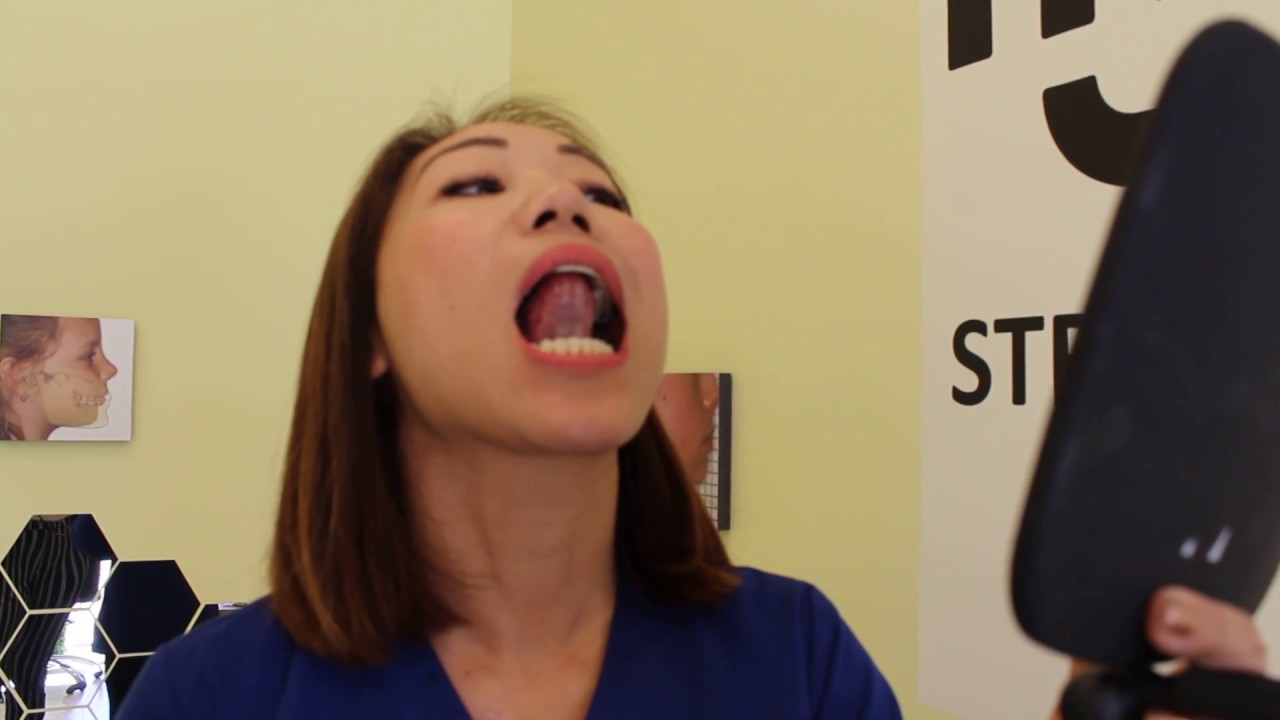
- Correct Tongue Resting Posture: The tip of the tongue should rest lightly on the roof of the mouth (just behind the front teeth), with the entire tongue suctioned up. This acts as a natural, internal retainer.
- Proper Swallow Pattern: Eliminating that tongue thrust. When you swallow, the tongue should press upwards against the palate, not forward against the teeth.
Timing is Everything: When to Bring Myofunctional Therapy Into the Picture
The best-case scenario? Myofunctional therapy before or during orthodontic treatment. Honestly, this is the emerging gold standard. By correcting the habits first, the orthodontist is moving teeth into a position that’s supported by proper muscle function from day one. It can even shorten treatment time and improve outcomes.
But let’s be real—most people find out about this after braces are off, when they’re nervously eyeing that shifting tooth. The good news? It’s never too late. Starting therapy post-orthodontics is incredibly effective for protecting your investment. Think of it as the ultimate insurance policy for your smile.
Here’s a quick look at how it integrates at different stages:
| Treatment Phase | Role of Myofunctional Therapy | Impact on Relapse Prevention |
| Pre-Orthodontics | Corrects underlying habits, creates stable foundation. | High. Addresses the cause, not just the symptom. |
| During Orthodontics | Supports tooth movement, trains new muscle patterns for the new tooth positions. | Very High. Synergistic approach for lasting results. |
| Post-Orthodontics (with retainer) | Reinforces proper function so muscles, not just the plastic retainer, hold teeth in place. | Critical. Reduces long-term dependence on retainers and prevents “retainer relapse.” |
Beyond the Retainer: A Lifelong Habit for a Stable Smile
We’ve been taught that wearing a retainer forever is the only answer to preventing orthodontic relapse. And sure, retainers are vital—especially initially. But what if your own muscles could do most of that work?
That’s the promise of myofunctional therapy. It empowers you with the tools to maintain your smile from the inside out. It’s not a quick fix; it’s a commitment to retraining deeply ingrained habits. The exercises become as automatic as, well, breathing correctly. And that’s the point.
The conversation in advanced orthodontic and dental circles is shifting. It’s moving from a purely mechanical model to a holistic, airway-focused and function-focused one. Because a beautiful smile isn’t just about straight teeth in a photo. It’s about a healthy, stable, functional system that lasts a lifetime.
So, if you’re staring down the barrel of another round of braces, or nervously popping in your retainer every night wondering if this is just your forever reality—consider looking deeper. The real solution might not just be in your mouth, but in how you use it.