

Let’s be honest. Running on a treadmill can feel a bit… aimless. You’re chasing numbers—calories, miles, minutes—but not really going anywhere. That’s the magic of skill-based fitness. It flips the script. Your goal isn’t just to burn energy; it’s to acquire a skill. To send a route, nail a sequence, or land a technique.
For hobbyists, this is a game-changer. It transforms exercise from a chore into a passion project. You’re not just working out; you’re learning to do something. Today, we’re diving into three of the most rewarding skill-based paths: rock climbing, dance, and martial arts. Here’s how to train for them, not just in the gym, but for the pure, unadulterated joy of getting better.
Rock climbing: strength is a byproduct
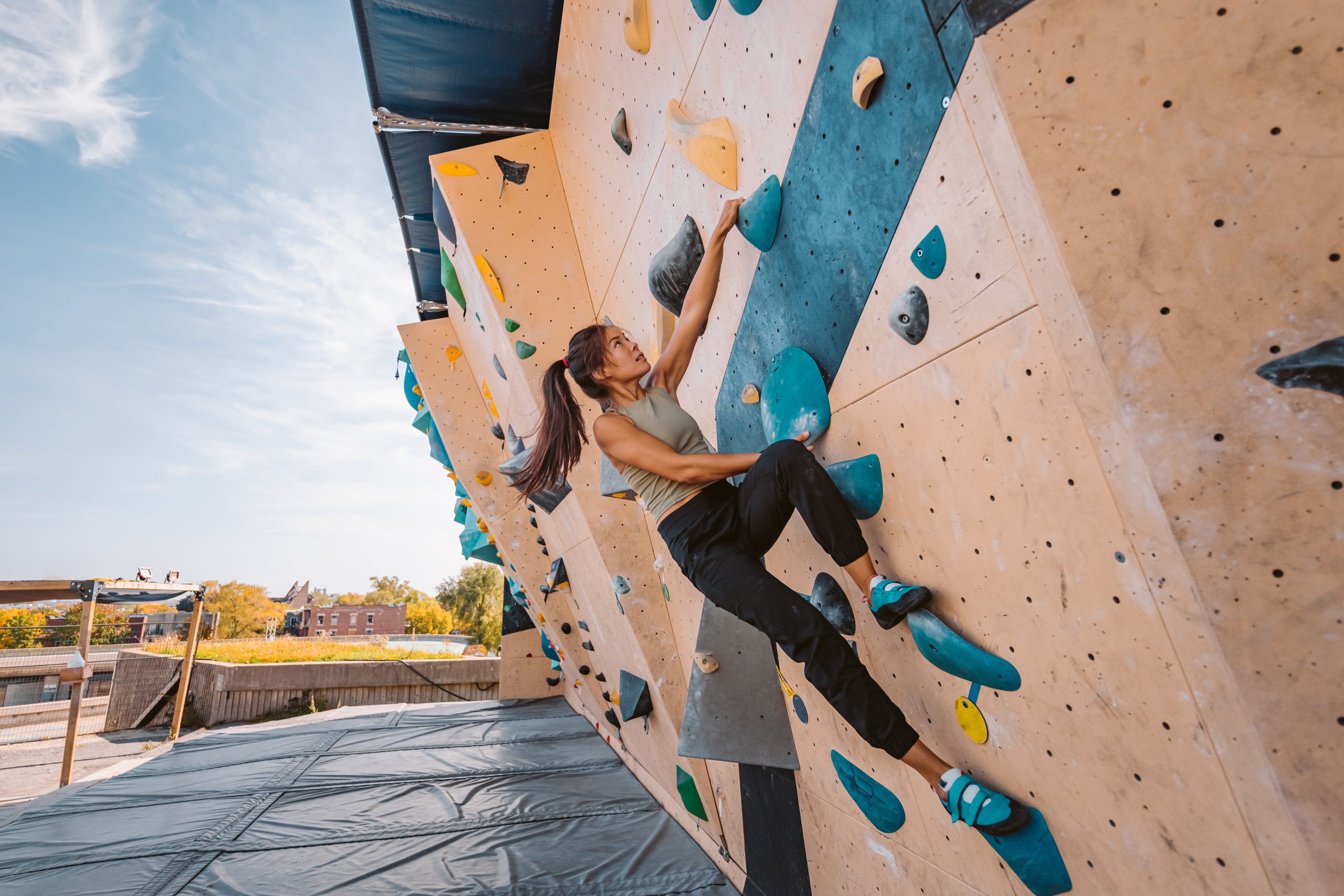
Most folks see a climber and think, “Wow, they must be strong.” And sure, strength helps. But climbing is really a puzzle-solving session for your whole body. It’s about balance, body positioning, and mental grit. Your training should reflect that.
Key training principles for climbing hobbyists
First, you gotta climb. Sounds obvious, but the best way to get better at climbing is, well, to climb. Two or three sessions a week is the sweet spot for steady progress without burning out your tendons—which are notoriously slow to adapt.
- Focus on technique, not grade-chasing: Practice silent feet (placing your foot precisely and quietly), flagging (balancing with a leg out to the side), and hip positioning. Climb easier routes with perfect form.
- Antagonist training is non-negotiable: Climbing builds crazy pulling muscles. To avoid shoulder injuries and imbalances, you must train the opposing push muscles. Push-ups, overhead presses, and band pull-aparts are your best friends.
- Grip variety: Don’t just hang from a bar. Use a hangboard cautiously (after 6+ months of consistent climbing), and play with different grip types—pinches, slopers, crimps. Your forearms will scream, thank you later.
| Supplemental Focus | Sample Exercise | Why It Helps |
| Core Tension | Hollow Body Holds | Keeps you glued to the wall, prevents “barn dooring” |
| Lower Body Mobility | Deep Lunges & Cossack Squats | Allows for high steps and weird, effective foot placements |
| Finger Strength | Dead Hangs (on large edges) | Builds foundational tendon strength safely |
The world of dance: fitness that tells a story
From hip-hop to ballet, salsa to contemporary, dance is fitness with emotion. It’s cardio, strength, and flexibility woven into expression. The pain point for many new hobbyists? Feeling uncoordinated. The secret is breaking things down.
Building your dance foundation
You can’t build a house on sand. For dance, your foundation is rhythm, isolation, and basic strength. Start with the music, honestly. Clap to the beat. Walk to the beat. Forget the fancy steps for a second—just feel the time.
- Isolation drills: Practice moving just your shoulders, just your hips, just your rib cage. It feels awkward at first, but this control is what makes dancing look crisp, not flaily.
- Cross-training that makes sense: Yoga is phenomenal for breath control and flexibility. Pilates? Unbeatable for core strength and that mind-muscle connection dancers rely on. Even swimming can build lung capacity and grace under fatigue.
- Consistency over intensity: A 20-minute practice session five days a week will get you further than a single 3-hour marathon that leaves you sore and frustrated. Muscle memory needs frequent, quality repetition.
And remember, dance is a language. You’re learning to speak with your body. It’s okay to fumble over the words—the “syntax,” if you will—before you can tell a story.
Martial arts: discipline, applied
Martial arts might seem like it’s about fighting. But for hobbyists, it’s really about self-mastery. It’s structured, progressive, and deeply technical. Whether it’s Brazilian Jiu-Jitsu, Muay Thai, or Taekwondo, the principles overlap.
Training beyond the dojo
Class time is for learning techniques and drilling. Your solo training is what prepares your body to absorb those lessons. You know, to not gas out in two minutes of sparring.
- Conditioning is king (and queen): Skip rope. It’s the ultimate tool for footwork, cardio, and rhythm. Mix in interval training—burpees, sprawls, mountain climbers—to simulate the explosive stop-start of rolling or sparring.
- Mobility for prevention: Martial arts put you in weird positions. Dynamic stretching (leg swings, hip circles) before, and static, deep stretching after, is crucial to avoid becoming a walking injury.
- Shadow practice: This is where the skill gets baked in. 5-10 minutes a day in front of a mirror, practicing your form, combinations, and footwork. No partner needed. It builds neural pathways, making the movements automatic.
Also—and this is huge—recovery is part of training. You’re getting bumped, bruised, and twisted. Sleep, nutrition, and maybe some foam rolling aren’t extras; they’re what let you show up to class again next week.
The common thread: mindset for skill-based fitness
Across all three, the shift is the same. You’re trading a quantitative goal (“lose 10 pounds”) for a qualitative one (“hold that balance for 8 counts” or “finally get that hip escape”). Progress is measured in micro-wins: a move you couldn’t do last month, a sequence you finally remember, a moment of flow where you weren’t thinking, just doing.
You’ll hit plateaus. Everyone does. When you do, sometimes the best training is to take a step back. Watch a video of a pro climber, a legendary dancer, a master technician. Not to compare, but to admire and dissect. What’s their economy of movement like? Where is their focus?
That said, don’t get lost in the minutiae. The goal is enjoyment, not perfection. The fitness, the strength, the ripped physique—they’re just fantastic side effects. You’re there for the skill. The sheer, childlike fun of learning how your body can move.
So, which puzzle calls to you? The vertical chess of a rock face, the rhythmic poetry of a dance floor, or the disciplined strategy of the mats? Pick the one that feels least like exercise and most like play. Your workout will never feel the same again.