

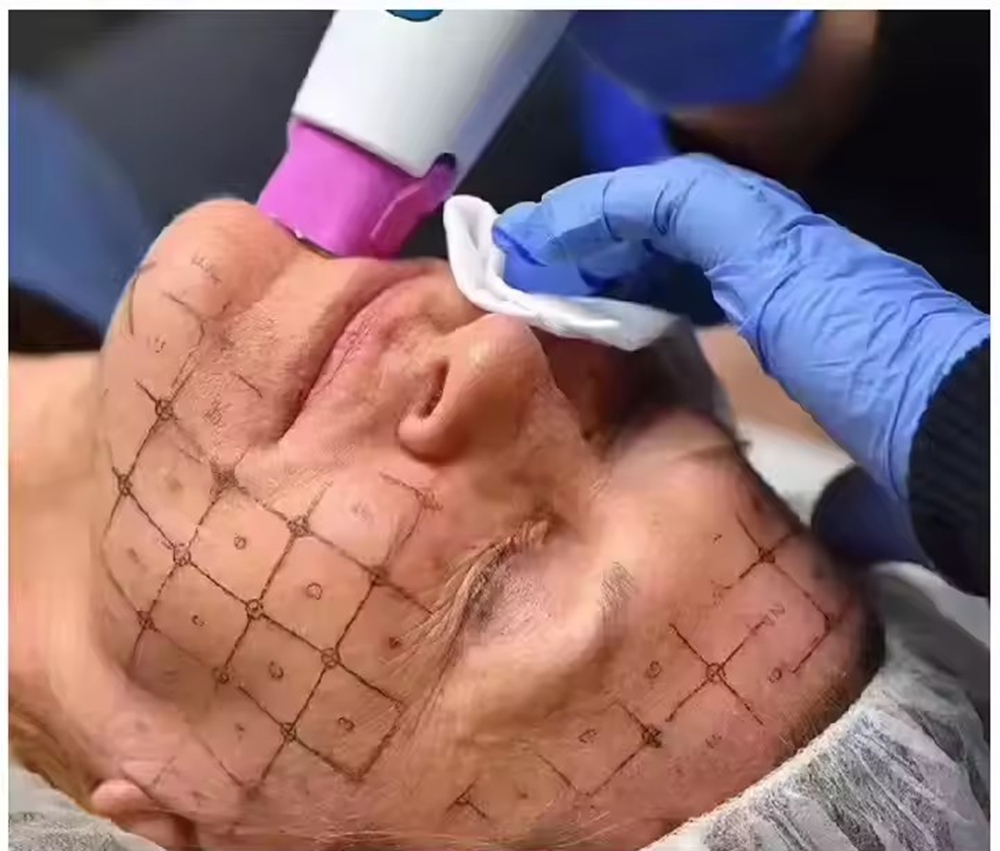
Remember when “getting work done” almost always meant going under the knife? A lengthy surgery, significant downtime, and results that, well, sometimes shouted rather than whispered. That landscape has been utterly transformed. Today, the real action is in the realm of non-invasive and minimally invasive cosmetic procedures—treatments that offer subtle enhancements with minimal disruption to our lives.
Let’s dive into how we got here and, more excitingly, where we’re headed next. The journey from the scalpel to the syringe to the energy-based device is a fascinating tale of technology meeting a shifting cultural desire for “tweak-ments” over transformations.
From Radical to Refined: A Brief History of “Less is More”
The evolution wasn’t overnight. It was a series of quiet revolutions. In the late 20th century, cosmetic procedures were largely surgical domain. Then came Botox Cosmetic (onabotulinumtoxinA) gaining FDA approval for frown lines in 2002. Honestly, that was the watershed. It introduced the concept of a “lunchtime procedure”—something you could do on a break and return to work. It normalized the idea of preventative maintenance.
Fillers followed, evolving from controversial bovine collagen to the sophisticated hyaluronic acid-based gels we have today. The real game-changer, though, has been energy-based devices. Lasers for resurfacing, radiofrequency for tightening, ultrasound for lifting—they turned science fiction into clinical reality. Each wave of technology chipped away at the need for surgery for common concerns like wrinkles, laxity, and volume loss.
The Current State: A Smorgasbord of Options
Walk into a modern medspa or dermatologist’s office now and the menu is vast. It can be overwhelming. But the core appeal is universal: targeted results with little to no downtime. Here’s a quick, non-exhaustive breakdown of the heavy hitters:
| Category | Example Procedures | Primary Target |
| Neuromodulators | Botox, Dysport, Xeomin | Dynamic wrinkles (forehead, crow’s feet) |
| Dermal Fillers | Juvederm, Restylane, Sculptra | Volume loss, contouring, deep folds |
| Laser & Light | Fraxel, IPL, Clear + Brilliant | Pigmentation, texture, fine lines |
| Energy-Based Tightening | Radiofrequency (Morpheus8), Ultrasound (Ultherapy) | Skin laxity, collagen stimulation |
| Body Contouring | CoolSculpting (cryolipolysis), Emsculpt (EMs) | Fat reduction, muscle building |
The trend isn’t just about single solutions, either. Combination therapy is now the gold standard. A practitioner might layer a little bit of laser for texture, a touch of filler for structure, and some radiofrequency for overall tone. It’s a holistic approach, like an artist using different brushes.
What’s Driving the Demand? It’s More Than Vanity
Sure, people want to look good. But the surge in these procedures taps into deeper cultural shifts. We’re living and working longer. The 50-year-old today isn’t ready to “look their age” as defined by previous generations. There’s a powerful desire to look refreshed, not different.
Social media and video conferencing have made us hyper-aware of our own faces—let’s be honest, that Zoom camera is brutally honest. But paradoxically, the trend is toward naturalism. The “frozen” or over-filled look is out. The goal is subtlety. People want others to say, “You look well-rested,” not “You look like you had something done.”
The Pain Points That Remain
It’s not a perfect world yet. Current limitations keep the field evolving. For one, results from non-invasive treatments are often cumulative and gradual—they require patience. And while downtime is minimal, it’s rarely zero. There’s also the cost factor; because results aren’t permanent, these treatments become a recurring part of wellness budgets, much like fitness or skincare.
Gazing into the Crystal Ball: The Future of Minimally Invasive Cosmetics
This is where it gets really exciting. The future is pointing toward personalization, precision, and prevention. Here’s what’s on the horizon:
- Biotech-Driven Skincare & Treatments: The line between topical skincare and in-office procedures will blur. Think growth factors, exosomes, and personalized biologic serums derived from your own cells. Treatments will move beyond just filling or paralyzing to actually reprogramming skin biology at a cellular level.
- AI and Imaging for Predictive Analysis: Imagine an AI tool that analyzes a 3D scan of your face and predicts how your features will age, then simulates potential treatment outcomes. This will allow for hyper-personalized treatment plans and set realistic expectations from the get-go.
- Micro-Invasive “Thread” Lifts and Biostimulators: Minimally invasive thread lifts are getting smarter—using materials that not only provide immediate lift but also stimulate collagen for months. Similarly, next-generation biostimulatory fillers (beyond Sculptra) will work more efficiently to rebuild the skin’s own structural network.
- Targeted Body Contouring: The future of body sculpting isn’t just fat reduction. It’s about precise muscle sculpting and spot fat elimination with even more advanced technologies. Think of it as personalized body architecture.
- The Rise of “Prejuvenation”: The biggest shift? Treating aging before it’s deeply visible. The 25-to-35-year-old demographic is increasingly using low-dose neuromodulators and collagen-stimulating therapies preventatively. It’s not about fixing; it’s about fortifying.
One more thing—the accessibility will grow. Technology typically starts expensive and becomes more democratized. We’ll likely see more effective, affordable devices for both clinics and, cautiously, for safe at-home use. That said, the role of the expert practitioner will become more critical, not less, to navigate these complex options.
A Final Thought: The New Normal of Self-Care
The evolution from invasive to minimally invasive procedures mirrors a broader change in how we view self-care. It’s shifted from a secretive, dramatic overhaul to an accepted part of maintaining one’s confidence and well-being. The future promises tools that are more in harmony with our body’s own processes—less about imposing change, more about guiding it.
In the end, the trajectory is clear. Cosmetic enhancement is becoming less about chasing an ideal and more about investing in a refined, sustained version of oneself. The goal isn’t to stop time, but perhaps to negotiate with it on better terms.