

Let’s be honest. The idea of “detoxing” can feel overwhelming. Juice cleanses, expensive supplements, complicated protocols… it’s a lot. But what if the most impactful detox wasn’t something you add, but something you slowly, steadily subtract? That’s the heart of eco-wellness. It’s about reducing your personal toxic load—the cumulative burden of synthetic chemicals from everyday products and environmental pollutants on your body.
Think of it less like a dramatic purge and more like turning down the volume on a constant, staticky radio in the background of your life. You might not realize how loud it is until it gets quieter. And the noise, in this case, comes from sources we often overlook: our homes.
Your Home: Sanctuary or Source?
It’s a bit ironic, isn’t it? We seal our windows for efficiency, cozy up with air fresheners, and scrub with industrial-strength cleaners, all in the name of comfort and cleanliness. Yet, these very habits can contribute to indoor air quality that’s sometimes worse than the air outside. The EPA notes that we spend about 90% of our time indoors. That’s a long time to be exposed to a cocktail of volatile organic compounds (VOCs), phthalates, and other uninvited guests.
The Usual Suspects in Your Cabinets
You know, you don’t need to be a chemist to make safer choices. It starts with knowing where the common culprits like to hide. Here’s a quick, non-exhaustive list:
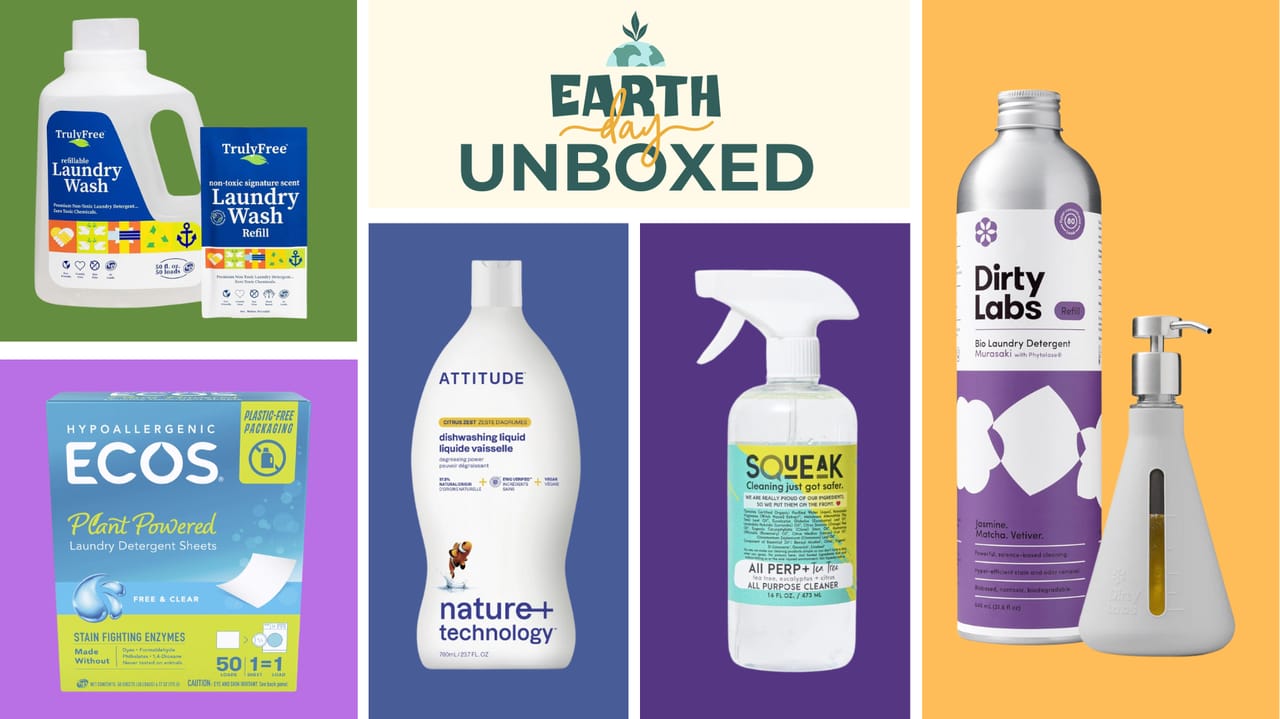
- Fragranced Everything: Laundry detergents, dryer sheets, plug-ins, candles. That “clean linen” or “ocean breeze” scent is often a proprietary blend of dozens of chemicals, including phthalates (which help scents linger).
- Conventional Cleaning Sprays: Those all-purpose, bathroom, and glass cleaners often contain VOCs like ammonia and chlorine bleach that aerosolize into the air you breathe.
- Non-Stick Cookware: When scratched or overheated, older non-stick coatings can release fumes and particles. It’s a real concern.
- Plastic Food Containers: Especially when heated, some can leach chemicals like BPA or its equally questionable cousins into your food.
- Dust: It’s not just dirt. It’s a magnet for flame retardants from furniture, shed skin cells, and yes, more of those chemical residues.
A Practical, Step-by-Step Mindset (Not a Panic)
Here’s the deal: you don’t have to throw out your entire life and live in a yurt tomorrow. That’s a recipe for burnout. The eco-wellness approach is about mindful swaps and simple habits that add up. Think progress, not perfection.
1. Start with the Nose: Rethink Fragrance
This is arguably the easiest and most significant win. Simply choose fragrance-free or naturally scented products (with essential oils) for laundry, cleaning, and personal care. Your nose might protest for a week, but soon you’ll start to appreciate true freshness. That heavy perfume in detergent? It’s literally designed to coat your clothes.
2. Become a Label Detective
You don’t need to memorize every chemical name. Look for certifications from trusted third parties. They’ve done the hard work for you.
| Look For: | What It Generally Means: |
| EPA Safer Choice | The EPA has reviewed every ingredient for human and environmental safety. |
| EWG Verified | Meets the Environmental Working Group’s strictest standards for transparency and health. |
| GOTS (Global Organic Textile Standard) | For fabrics—ensures organic fibers and strict processing standards. |
| MADE SAFE® | Ingredient screening for known behavioral toxins, carcinogens, and more. |
3. Embrace the Simple Cleaners
Honestly, your grandma knew what was up. White vinegar, baking soda, and castile soap can handle about 80% of household cleaning tasks. They’re cheap, effective, and you know exactly what’s in them. For disinfecting, hydrogen peroxide (3%) is a powerful, less toxic option. Just store it in the dark bottle it comes in.
4. The Power of Ventilation and a Damp Cloth
This is so simple it’s almost silly. Open your windows for 10 minutes a day, even in winter. It flushes out concentrated pollutants. And dust regularly with a damp microfiber cloth—it traps particles instead of just sending them back into the air.
Beyond the Four Walls: The Environmental Pollutant Tango
We can’t control everything in our outdoor environment, sure. But we can change how we interact with it. Reducing personal toxic load isn’t just about your home; it’s about your habits in the wider world.
For instance, on high air pollution days, check your local air quality index (AQI). Maybe that’s the day for an indoor workout instead of a run along the busy highway. When you are outside in heavy traffic, consider that pollutants can be higher inside your car if you’re recirculating air. Rolling down the windows for fresh air at a stoplight? Sometimes it helps.
And water. A simple carbon filter pitcher or faucet attachment can significantly reduce common contaminants like lead, chlorine byproducts, and pesticides. It’s one of the best bang-for-your-buck investments in personal eco-wellness.
The Ripple Effect of Feeling Lighter
This journey isn’t driven by fear. It’s driven by a desire to feel better—to have more energy, to sleep more deeply, to maybe ease unexplained allergies or brain fog. When you start clearing the static in your immediate environment, you create space. Space for clarity. For calm.
It becomes less about avoiding a thousand chemicals and more about choosing a few simple, good things. You start to prefer the smell of real lemon and lavender over a synthetic “citrus burst.” You feel the difference of sleeping on organic cotton washed in fragrance-free detergent. It’s subtle, but it’s real.
Eco-wellness, in the end, is a form of quiet stewardship. Of your body, your home, and by extension—because every bottle you don’t buy and every chemical you avoid flushing downstream matters—the wider world. It’s a gentle, persistent turning down of the volume, until one day you realize you can finally hear your own rhythm again.