

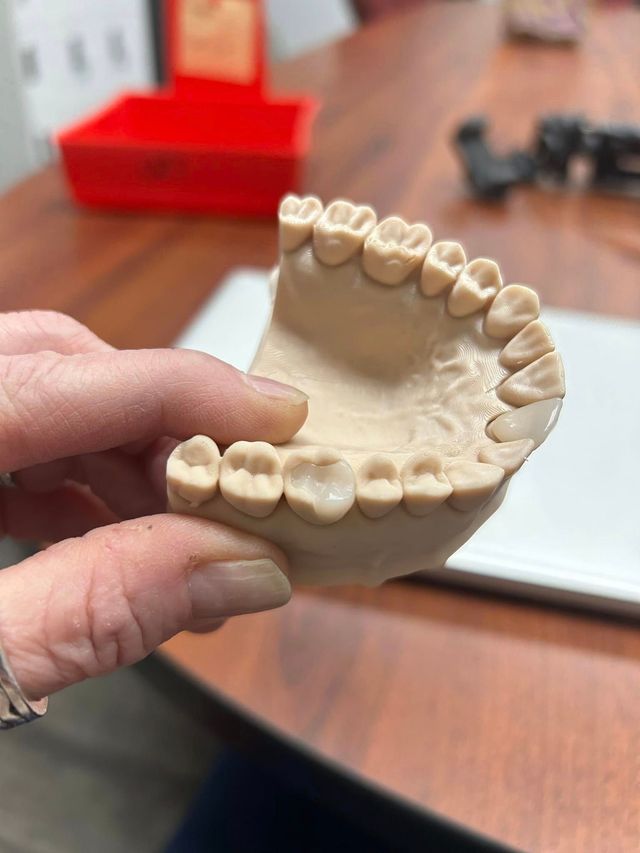
Let’s be honest—getting a dental implant used to sound like a mini construction project in your mouth. Molds, temporary crowns, weeks of waiting… it was a process. But now? 3D printing is flipping the script. We’re talking about implants and prosthetics that are faster, more precise, and—dare I say—kind of futuristic. Here’s the deal: this tech isn’t just for sci-fi movies anymore. It’s in your dentist’s office, and it’s changing how we think about replacing teeth.
What Exactly Are 3D Printed Dental Implants?
Well, imagine a printer—but instead of ink, it uses layers of biocompatible material like titanium or ceramic. A digital scan of your mouth guides the printer, building a custom implant layer by layer. No more one-size-fits-all. No more guesswork. It’s like tailoring a suit, but for your jawbone.
And prosthetics? Same idea. Crowns, bridges, dentures—they’re all getting the 3D treatment. The result? A fit that’s so snug, you almost forget it’s not your original tooth. Almost.
How It Works (In Plain English)
First, your dentist takes a digital impression—no goopy trays, just a quick scan. That data goes into software, where a virtual model of your implant is designed. Then, the 3D printer gets to work. Depending on the material, it might take a few hours to a day. Compare that to the old method—molds sent to a lab, weeks of shipping—and you’re saving serious time.
Here’s a quick breakdown of the steps:
- Digital scanning of your mouth (painless, I promise).
- CAD design—a computer models the implant or prosthetic.
- 3D printing using medical-grade materials like titanium alloy or zirconia.
- Post-processing—smoothing, sterilizing, and sometimes coating.
- Placement—usually in one or two appointments.
That’s it. No lab delays, no “come back next month.”
Why Dentists (and Patients) Are Loving This
You know that awkward moment when a crown doesn’t quite fit? With 3D printing, that’s almost a thing of the past. The precision is insane—we’re talking micron-level accuracy. And because the implant is custom-made, it integrates better with your bone. Less rejection, fewer complications.
But here’s the real kicker: cost. Sure, the initial setup for a 3D printer is pricey, but the savings trickle down. Less material waste, fewer appointments, and faster production mean lower bills for you. In fact, some clinics report up to 40% reduction in overall treatment time. That’s not just convenient—it’s life-changing for folks with busy schedules.
Material Matters: Titanium vs. Zirconia
Not all 3D printed implants are created equal. Two main materials dominate the scene:
| Material | Pros | Cons |
|---|---|---|
| Titanium | Strong, lightweight, proven track record | Can show through thin gums (grayish) |
| Zirconia | Tooth-colored, hypoallergenic, no metal taste | Brittle if thin, less flexible |
Most dentists lean toward titanium for implants because of its durability. But for front teeth or patients with metal allergies? Zirconia is a solid choice. Honestly, both are leaps ahead of older materials.
Pain Points This Tech Solves (And a Few It Doesn’t)
Let’s talk about the elephant in the room—pain. Traditional implants require cutting into the gum, drilling into bone… it’s not a picnic. 3D printing doesn’t eliminate surgery, but it does make it less invasive. Custom guides (also 3D printed) help the dentist place the implant perfectly, minimizing tissue damage. Recovery time? Shorter.
But—and this is a real “but”—not every dental practice has a 3D printer. Smaller clinics might outsource the printing, which adds a day or two. And if you need a same-day tooth? Some places can do it, but it’s not universal yet. So, sure, it’s not perfect. But it’s getting there fast.
What About Prosthetics for Full Arches?
For dentures or full-arch bridges, 3D printing is a game-changer. Traditional dentures often slip or cause sore spots. 3D printed ones? They’re designed from a digital map of your gums, so they hug the contours perfectly. Plus, they’re lighter—less bulk, more comfort. I’ve heard patients say they forget they’re wearing them. That’s the goal, right?
Here’s a stat that might surprise you: Over 60% of dental labs now use some form of 3D printing for prosthetics. That number’s climbing every year.
Current Trends: Same-Day Dentistry and AI Integration
You’ve probably heard the buzz about “same-day crowns.” That’s 3D printing in action. Walk in with a cracked tooth, walk out with a permanent crown—all in one visit. It’s not just convenient; it’s a psychological win. No more temporary glue jobs that pop off during dinner.
And AI? Yeah, it’s creeping in. Some software now uses machine learning to predict how an implant will settle over time. It adjusts the design for bone density, bite force, even gum thickness. That’s next-level personalization.
But Is It Safe?
Short answer: yes. The FDA has approved several 3D printed implant materials. The process is sterile, and the printers themselves are medical-grade. That said—always check your dentist’s credentials. Ask if they use ISO-certified materials. A good dentist will happily geek out about the tech with you.
One thing to note: 3D printing isn’t a magic wand. If your jawbone is too thin, you might still need a bone graft. But even that process is getting a 3D boost—custom graft scaffolds printed from calcium phosphate. It’s all connected.
The Cost Factor: Is It Worth It?
Let’s break it down. A single traditional implant can run $3,000 to $6,000. 3D printed ones? Slightly less—maybe $2,500 to $5,000—but the real savings are in time and fewer visits. For full dentures, the difference is starker. Traditional dentures: $1,500–$3,000. 3D printed: $1,000–$2,500, and they fit better.
Insurance? It’s hit or miss. Some plans cover 3D printed implants as “standard,” others don’t. But as the tech becomes mainstream, coverage is expanding. Worth asking your provider.
A Quick Word on Sustainability
Traditional implant manufacturing creates a lot of waste—milled metal shavings, unused material. 3D printing uses only what’s needed, layer by layer. Less waste, less energy. It’s not a huge environmental win, but it’s a step. Every little bit helps, right?
What the Future Holds
We’re already seeing bioprinting research—printing with living cells to regenerate gum tissue. That’s still experimental, but it’s coming. In the next decade, I wouldn’t be shocked if 3D printed implants include built-in sensors to monitor bone health. Sounds wild, but so did 3D printing a tooth ten years ago.
For now, the takeaway is simple: 3D printing is making dental care faster, cheaper, and more comfortable. It’s not a fad—it’s a genuine shift. Whether you need a single implant or a full set of dentures, this tech deserves a look.
So, next time you’re in the dentist’s chair, ask about 3D printing. You might just walk out with a smile that feels… well, like it was always yours.