

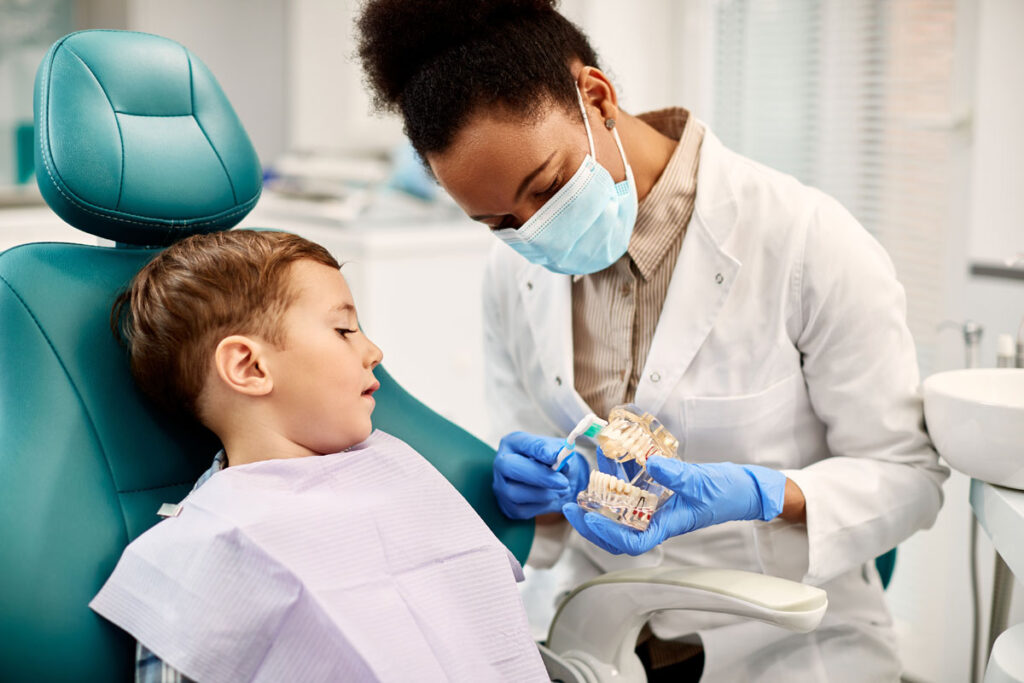
Let’s be honest: taking a kid to the dentist can feel like a small adventure on a good day. Now imagine that same child experiences the world differently — where the hum of a fluorescent light feels like a jackhammer, and the taste of mint toothpaste lingers like a bitter storm. For children with sensory processing disorders (SPD), a routine dental visit isn’t just stressful. It can be genuinely overwhelming.
That’s the reality for many families. And yet, dental care isn’t optional. Cavities don’t pause for sensory sensitivities. So how do we bridge that gap? How do we make pediatric dentistry work for kids whose nervous systems are wired a little differently?
Well, the answer isn’t a single trick. It’s a mix of preparation, patience, and a dental team that truly gets it. Let’s dive into what actually helps.
What Is Sensory Processing Disorder, Anyway?
Quick refresher — because jargon can get muddy. Sensory processing disorder is a condition where the brain has trouble receiving and responding to information that comes in through the senses. Sounds, textures, lights, smells, tastes, even movement. For some kids, it’s like their volume dial is stuck on high. For others, it’s turned way down.
In a dental office, that translates to a lot of triggers at once. The bright overhead lamp. The whir of the drill. The cold metal mirror. The rubbery taste of gloves. The reclining chair that tilts back further than expected. It’s a sensory minefield.
And here’s the thing — roughly 1 in 20 children may be affected by SPD, though it’s often diagnosed alongside autism, ADHD, or anxiety. So this isn’t a niche issue. It’s a real, everyday challenge for many families.
Why Standard Dental Visits Often Fail
Most pediatric dental offices are designed for efficiency. Quick cleanings, x-rays, fluoride, done. That works for plenty of kids. But for a child with SPD, that pace can feel like a race car with no brakes.
Consider this: a typical cleaning involves at least five different sensory inputs — touch, taste, sound, sight, and smell. And they all hit within seconds. A child might gag on the paste, flinch at the suction tube, or panic when the chair reclines. The dental team might interpret that as “uncooperative behavior.” But it’s not defiance. It’s a nervous system in overload.
That mismatch — between a child’s needs and a clinic’s routine — is where things break down. And honestly, it’s nobody’s fault. It’s just a gap that needs bridging.
What a Sensory-Friendly Dental Visit Looks Like
So what’s the fix? It starts with a different mindset. Instead of forcing a child to adapt to the office, the office adapts to the child. That might sound idealistic, but it’s happening in more and more practices. Here’s what it looks like in practice.
1. Pre-Visit Preparation
Before the appointment, parents and dental staff can work together. Some offices offer a “social story” — a simple picture book that shows what will happen step by step. Others schedule a meet-and-greet where the child just sits in the chair, touches the tools, and leaves. No cleaning. No pressure. Just familiarity.
That single visit can reduce anxiety for the next ten visits. It’s like warming up before a race. You wouldn’t sprint cold, right?
2. Sensory Adaptations in the Chair
Small tweaks make a big difference. Here are a few that work:
- Noise-canceling headphones or earplugs to mute the drill and suction.
- Sunglasses to block the harsh overhead light.
- Weighted blankets or a favorite stuffed animal for deep pressure comfort.
- Unscented or flavor-free toothpaste — mint is a common trigger.
- Frequent breaks — “stop, sit up, breathe, then lie back down.”
And sure, some of these sound simple. But they change the entire experience for a child who feels bombarded.
3. Communication That Respects the Child
Instead of saying “open wide,” a sensory-aware dentist might say, “Let’s count your teeth. Can you show me your top teeth first?” It’s a subtle shift — from command to invitation. Kids with SPD often respond better when they feel a sense of control.
Also, tell-don’t-surprise. Narrate every step before it happens. “I’m going to spray a little water now. It might feel cold.” That predictability lowers the fight-or-flight response.
Finding the Right Dental Home
Not every pediatric dentist is trained in sensory-friendly care. That’s just a fact. So how do you find one who is?
Start by asking questions when you call. You’re not being demanding — you’re being a good advocate. Here are some to try:
- Do you have experience with children who have sensory processing disorders or autism?
- Can we schedule a visit just to tour the office and meet the staff?
- What accommodations do you offer for sound, light, and touch sensitivities?
- Are you willing to use a “tell-show-do” approach?
- What’s your policy if my child needs to take a break or stop midway?
If the receptionist sighs or gives vague answers, that’s a red flag. But if they perk up and say, “Oh, we do that all the time,” you’ve found a gem.
At-Home Strategies That Make a Difference
Dental care doesn’t start in the chair. It starts at home. And for kids with SPD, the home routine matters even more.
Brushing can be a battleground. The bristles feel scratchy. The toothpaste tastes wrong. The foam is weird. So here’s what parents can try:
| Challenge | Sensory-Friendly Workaround |
|---|---|
| Scratchy bristles | Use a soft, extra-soft, or silicone brush |
| Minty toothpaste | Try unflavored or fruit-flavored options |
| Foam buildup | Use a wet cloth or gauze for toddlers |
| Hates spitting | Let them swish with water and spit into a cup |
| Overwhelmed by routine | Brush in the bath or while watching a favorite show |
And hey — if brushing happens at 3 PM instead of bedtime, who cares? The goal is clean teeth, not perfect timing.
When Extra Support Is Needed
Sometimes, despite everyone’s best efforts, a child still can’t tolerate a standard cleaning. That’s okay. There are other paths.
Some pediatric dentists offer sedation options — nitrous oxide (laughing gas), oral sedatives, or general anesthesia for more complex work. These aren’t failures. They’re tools. And for a child who’s terrified, they can mean the difference between getting care and avoiding it for years.
Other families work with occupational therapists who specialize in feeding and oral sensitivities. An OT can help desensitize the mouth over time, making brushing and dental visits less traumatic. It’s a slow process, but it works.
The Bigger Picture: Rethinking “Cooperation”
Here’s a thought. Maybe the problem isn’t the child. Maybe it’s our definition of cooperation.
When a child with SPD cries or pulls away, they’re not being difficult. They’re communicating. Their body is saying, “This is too much.” A sensory-friendly dental visit doesn’t demand silence or stillness. It listens. It adjusts. It meets the child where they are.
And that, honestly, is good dentistry for every child — not just those with SPD. Because every kid deserves to feel safe in the chair. Every parent deserves to leave without a knot in their stomach. And every smile — no matter how wiggly or wary — deserves care that understands.
So if you’re navigating this journey, take heart. You’re not alone. The right dental team is out there. Sometimes you just have to ask a few more questions, try a few more tricks, and remember that progress isn’t always a perfect checkup. Sometimes it’s just sitting in the chair without tears. And that counts.