

Let’s be honest. City living is a trade-off. You get the energy, the culture, the convenience… and you get a shoebox-sized apartment where a traditional home gym setup is, well, a fantasy. The thought of cramming in a bulky treadmill or a rack of weights is enough to make you laugh. Or cry.
But here’s the deal: your fitness doesn’t have to be another casualty of your square footage. In fact, the constraints of a small urban apartment can be your ultimate creative catalyst. You can build a highly effective, minimalist home gym that requires exactly zero permanent equipment. It’s about reclaiming space, both physically and mentally.
The Philosophy: Less Stuff, More Movement
Think of it like a capsule wardrobe for fitness. You’re curating a selection of movement “essentials” that work together in countless ways. The goal isn’t to replicate a commercial gym—it’s to create a versatile movement zone that disappears when you’re done. A clear floor is your canvas. Your body is your primary machine. Honestly, it’s the most liberating approach to apartment fitness you can take.
Your Blueprint: The 3-Zone System
You don’t need a dedicated room. You need a system. Visualize your space in three flexible, overlapping zones. This mental map helps you train efficiently without feeling scattered.
- The Cardio & Dynamic Zone: This is your longest clear pathway. Maybe it’s from your sofa to the front door, or a cleared section in the living room. It’s for movement that travels: high knees, butt kicks, shadow boxing, dance breaks. It’s your energy burner.
- The Strength & Stability Zone: This is where you need just enough floor space for a yoga mat. It’s your hub for bodyweight strength training—push-ups, planks, squats, lunges. A non-slip surface is key here.
- The Mobility & Recovery Zone: Often overlooked, this can be a corner by your bed or a sliver of wall. It’s for stretching, foam rolling (we’ll get to that), and mindful cool-downs. It’s your sanctuary for feeling good.
The “Equipment” That Isn’t Really Equipment
Okay, we said equipment-free. And you can go truly pure. But for a tiny investment and storage footprint, a few multi-purpose tools can explode your exercise library. These items tuck under a bed or in a closet. They’re ghosts.
| Item | Primary Use | Storage Size | Exercise Boost |
| Resistance Bands | Strength & Activation | Fits in a mug | Adds pull motions (rows, pull-aparts) missing from pure bodyweight. |
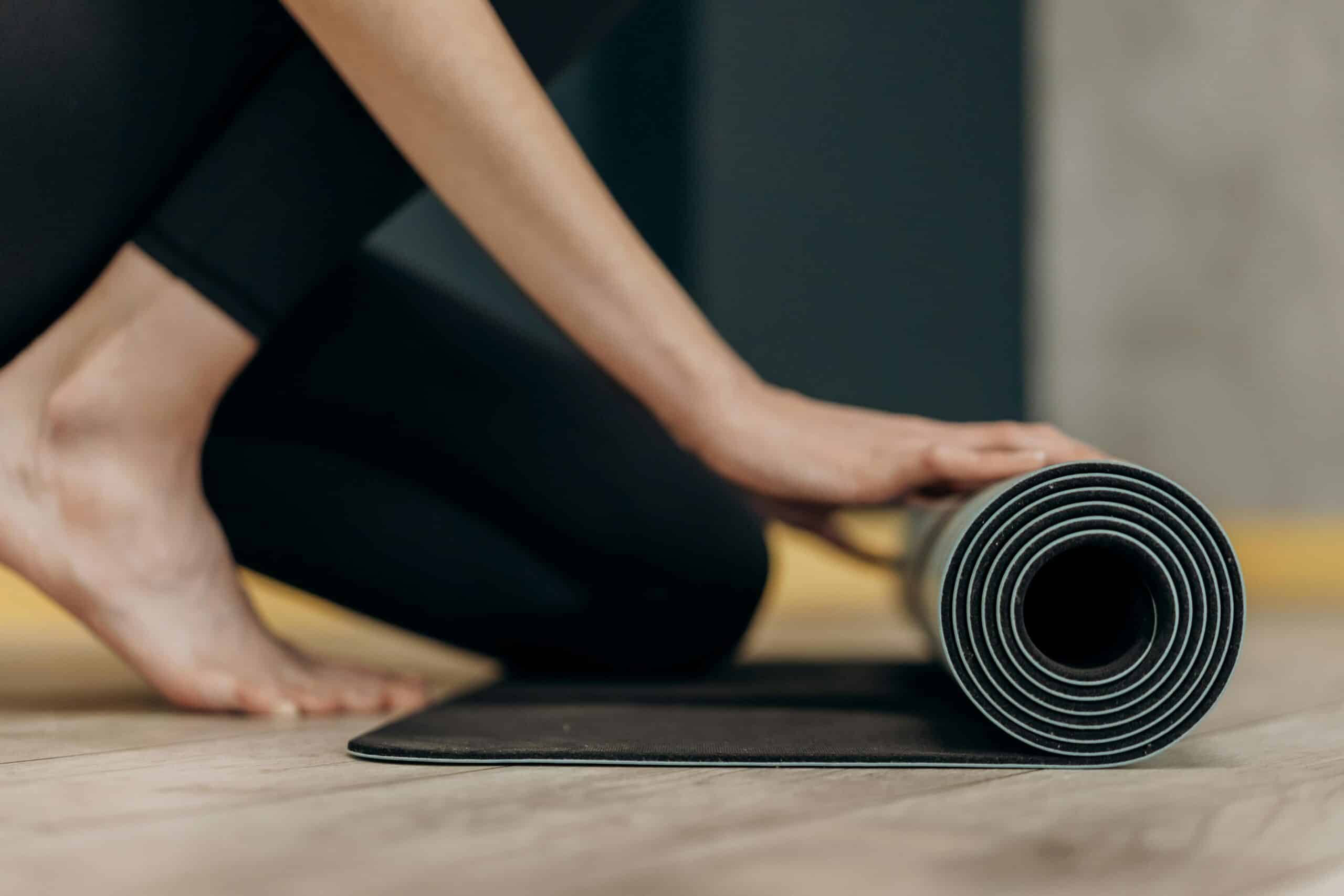
| Yoga Mat | Floor Work & Comfort | Rolls to ~4″ diameter | Defines your space, provides cushion and grip. |
| Doorway Pull-Up Bar* | Upper Body Power | Lives on the doorframe | The ultimate upper body tool for apartments. (*Check your doorframe type!) |
| Foam Roller (hollow) | Recovery & Myofascial Release | Stands in a corner | Doubles as a prop for exercises like decline push-ups. |
See? No machines. Just simple tools that ask for almost nothing in return. A set of bands, honestly, is the closest thing to a magic wand for apartment fitness.
Designing Your Workouts: No Boredom Allowed
The biggest risk with a minimalist setup isn’t effectiveness—it’s monotony. You have to get clever. Here’s how to keep it fresh.
Embrace Circuits and AMRAPs
Instead of doing 3 sets of squats and moving on, chain exercises together. A simple circuit might be: 10 squats, 10 push-ups, 10 leg raises, 30 seconds of mountain climbers. Rest for a minute, repeat 3-5 times. It’s efficient, it gets your heart rate up, and it uses your whole space. AMRAPs (As Many Rounds As Possible) in a set time frame add a fun, challenging element.
Get Vertical: Your Walls and Doors
Walls aren’t just for hanging art. Use them for wall sits (brutal!), incline push-ups, or standing calf raises where you press up using the wall for balance. A sturdy door? Perfect for assisted single-leg squats or hamstring stretches.
Leverage Furniture (Safely!)
A sturdy chair or sofa is a workout tool in disguise. Use it for tricep dips, elevated feet for harder push-ups, or as a guide for Bulgarian split squats. A heavy coffee table? Maybe not. But a solid dining chair? Absolutely. Just… test it first, you know?
The Mindset Shift: Your Apartment is Already a Gym
This is the crucial part. You stop seeing your living room as a place where exercise sometimes happens. You start seeing the floor as a platform for planks. The hallway as a sprint track. That cleared space between the rug and the TV? That’s your personal training studio.
The ritual becomes part of the magic. Rolling out your mat signals focus. Putting on a specific playlist shifts your mindset. Stowing the band back in the drawer marks the end of the session. This intentionality—this creation and dissolution of your gym—is surprisingly powerful. It turns a limitation into a deliberate practice.
Making It Stick in the Real World
We’ve all been there. Motivation fades. The couch beckons. Here are a few real-talk tips for the urban dweller.
- Schedule it like a meeting. Your 25-minute lunch break circuit is non-negotiable.
- Embrace micro-workouts. Can’t find 30 minutes? Do 10 minutes in the morning and 10 at night. It all adds up.
- Curate a killer playlist or podcast queue. Use audio to draw you into your movement zone.
- Focus on feeling, not just burning. Sometimes your workout is just 15 minutes of deep stretching. That’s a win. It’s about maintaining the habit of showing up for your body.
In the end, building a minimalist, equipment-free home gym isn’t really about the gym at all. It’s about reclaiming agency over your health within your existing life. It’s a quiet rebellion against the idea that you need more—more space, more gear, more stuff—to be strong, capable, and vital.
Your small apartment isn’t a barrier. It’s your training ground. The only thing you really need to add is intention.