

Let’s be honest: for a long time, skincare advice felt like a one-size-fits-all lecture. And if you have melanin-rich skin, you know that just… doesn’t work. Our skin tells its own story, with its own glorious strengths and specific concerns. It’s not just about shade—it’s about biology. The higher melanin content that gives us our beautiful range of color also comes with a unique set of rules.
So, let’s ditch the generic routines. This is about navigating the waters of skincare for skin of color, focusing on three big, real-world challenges: the stubbornness of hyperpigmentation, the complexity of keloids, and those tricky ingredient reactions that seem to come out of nowhere. Think of it less as a rulebook and more as a conversation. Ready? Let’s dive in.
The Hyperpigmentation Puzzle: More Than Just Dark Spots
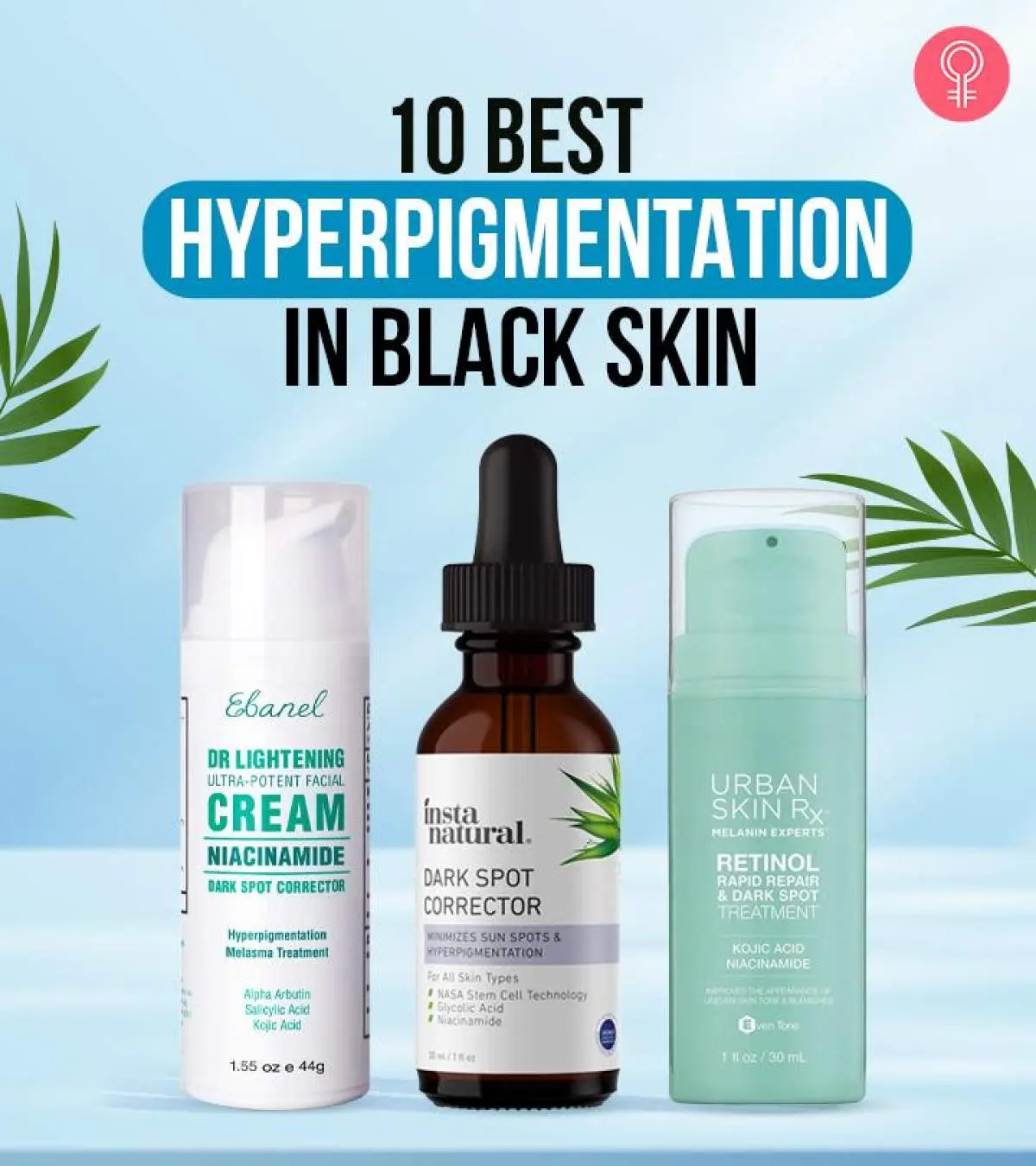
Hyperpigmentation is, well, the almost universal concern. It’s your skin’s overzealous defense mechanism. Any inflammation—a pimple, a bug bite, even friction from a too-harsh scrub—can trigger melanocytes to go into overdrive, leaving a dark mark long after the initial issue is gone. Post-inflammatory hyperpigmentation (PIH) is the term you’ll hear.
Here’s the deal: treating it requires a blend of patience and precision. Aggressive treatments can backfire, causing more inflammation and—you guessed it—more darkening. It’s a delicate dance.
Key Ingredients That Actually Help
You don’t need a laundry list of products. You need strategic players. Look for these proven ingredients:
- Vitamin C (L-ascorbic acid): A brilliant antioxidant that brightens and inhibits melanin production. It’s like a shield and a lightener in one. Start with a stabilized formula to avoid irritation.
- Niacinamide: This vitamin B3 derivative is a superstar. It reduces inflammation, improves skin barrier function, and helps fade discoloration without the harshness. A real multitasker.
- Azelaic Acid: Gentle yet effective. It targets abnormal pigment production and calms redness, making it fantastic for both hyperpigmentation and conditions like acne.
- Retinoids (with care!): They accelerate cell turnover, helping to shed pigmented cells. But start low, go slow. A prescription retinoid or an over-the-counter retinol used sparingly (like twice a week) is the way to begin.
And sunscreen. I know, you’ve heard it a million times. But for skin of color, it’s non-negotiable. UV exposure will darken existing spots and create new ones. A broad-spectrum SPF 30+ daily is your best friend in this fight. Seriously.
Keloids and Sensitive Scarring: A Different Kind of Healing
This is where skin of color has a distinct response. Keloids—those raised, growing scars that extend beyond the original wound—are much more common for us. It’s a fibroblast frenzy; the skin just doesn’t know when to stop healing.
Prevention is absolutely key. If you’re prone to keloids, you have to treat every cut, pimple, or piercing as a potential site. The goal is to minimize trauma and inflammation from the get-go.
Practical Steps for Prevention and Care
| Do: | Avoid: |
| Use silicone gel sheets on healing wounds or fresh scars. They flatten and soften tissue. | Elective procedures like piercings or tattoos in high-risk areas (chest, shoulders, earlobes). |
| Apply gentle pressure (with medical tape or sheets) to the area. | Popping pimples or any form of skin picking. The trauma is a major trigger. |
| See a dermatologist early for corticosteroid injections on developing keloids. | Harsh, abrasive scrubs or treatments on scar-prone zones. |
It’s about listening to your skin’s history. If you have a keloid from an old ear piercing, getting a new one—even on the other ear—carries risk. That said, professional treatments like laser therapy and injections have come a long way. Consulting a dermatologist who understands skin of color is crucial here.
Ingredient Reactions: When “Hypoallergenic” Doesn’t Cut It
Here’s a frustrating truth: some ingredients commonly deemed safe can cause disproportionate reactions in darker skin. It’s not an allergy per se, but often a subclinical inflammation that quietly leads to—here it is again—hyperpigmentation.
Fragrance and essential oils are big ones. Sure, they smell lovely, but they’re frequent irritants. That irritation might not be a bright red rash; it might just be a subtle itch or tingle that later manifests as a dark patch.
Ingredients to Approach with Caution
- High-Concentration Chemical Sunscreens (like Oxybenzone): Can cause stinging or heat sensations, leading to inflammation. Mineral sunscreens with zinc oxide or titanium dioxide are often better tolerated.
- Harsh Physical Scrubs: Walnut shells, apricot pits—they can cause micro-tears and trigger PIH. Opt for chemical exfoliants (AHAs like glycolic acid) used moderately, or gentle enzymatic exfoliators.
- Certain “Lightening” Agents: Stay far away from hydroquinone in high, unregulated doses or mercury-laden products. The side effects can be worse than the original concern.
The patch test isn’t just a suggestion. Apply a new product behind your ear or on your inner arm for a week. Watch for any subtle darkening or irritation. It’s a small step that saves a lot of trouble.
Building Your Thoughtful Routine
So what does this all look like put together? It’s less about a 10-step regimen and more about mindful curation.
Morning Simplicity: A gentle cleanser, a vitamin C serum, a good moisturizer, and that holy-grail sunscreen.
Evening Care: Double cleanse if you wear makeup. Maybe alternate nights: a niacinamide serum one night, a pea-sized amount of retinol another. Always follow with a rich, barrier-supporting moisturizer to keep skin resilient.
And listen. Your skin will talk to you. A product that works for everyone on social media might leave you with uneven tone. That’s your signal to pause and reassess.
Embracing the Journey
Navigating skincare for skin of color is, honestly, a journey of nuanced understanding. It’s recognizing that our skin’s beautiful complexity demands a tailored approach. Hyperpigmentation, keloids, sensitive reactions—they aren’t flaws. They’re just characteristics that require specific strategies.
The real goal isn’t perfection. It’s health, even tone, and confidence. It’s about working with your skin’s narrative, not against it. Because the most effective skincare, in the end, is the kind that sees you—truly sees the unique canvas you have—and honors it.