

Imagine a master chess player, contemplating a complex board. They don’t just see the next move; they visualize sequences, predict counter-moves, and assess risks several turns ahead. That’s the kind of strategic foresight artificial intelligence is bringing to the operating room—before the first incision is even made. Honestly, it’s changing the game.
Gone are the days when pre-operative planning relied solely on static scans and a surgeon’s invaluable, but inherently limited, mental modeling. Today, AI acts as a dynamic co-pilot, analyzing a deluge of patient data to map out safer, more precise surgical journeys. It’s not about replacing the surgeon’s skill—it’s about augmenting their vision. Let’s dive in.
From Static Images to Living Roadmaps: AI-Powered Surgical Visualization
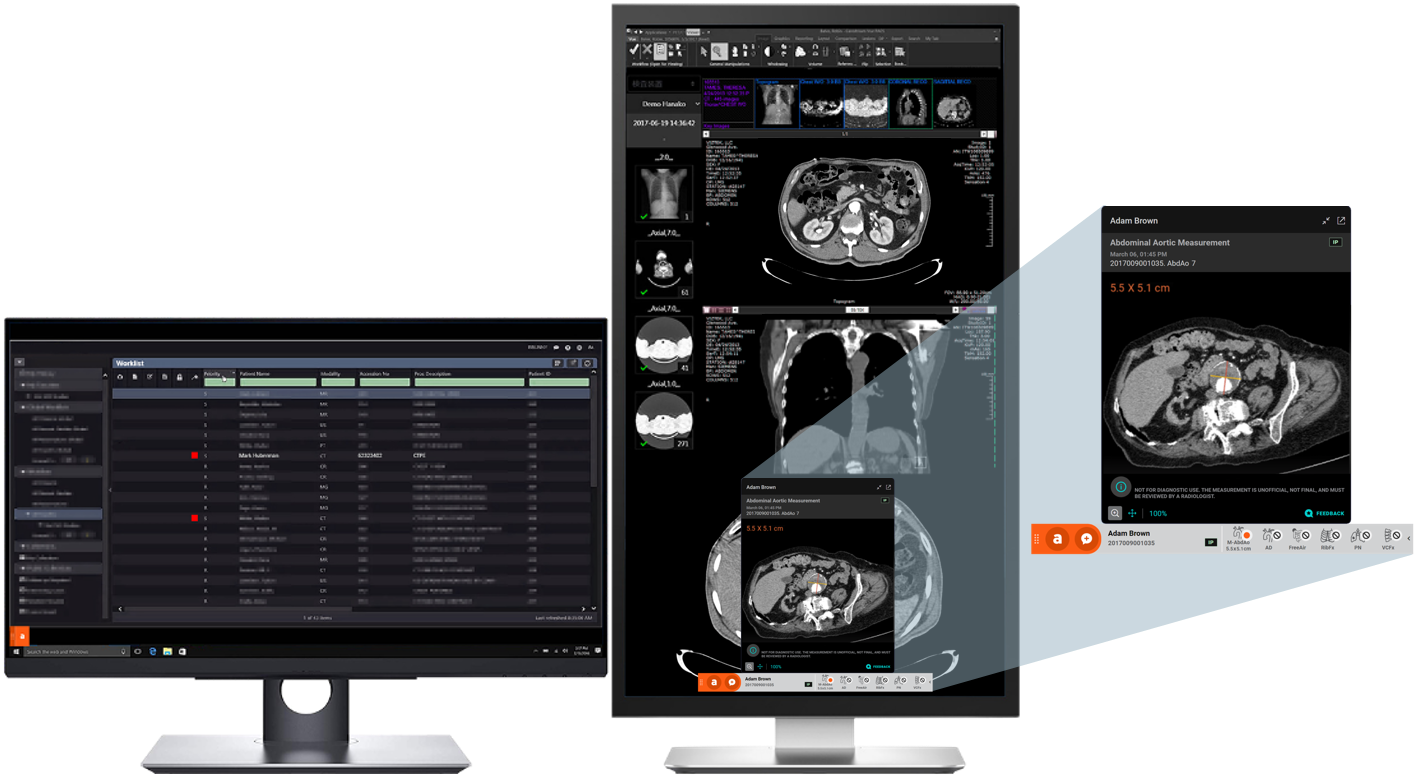
Here’s the deal: a standard CT or MRI scan is a fantastic snapshot. But it’s a 2D representation of a 3D reality. AI changes that. Using a process called segmentation, algorithms can automatically and precisely identify different tissues—bones, blood vessels, tumors, nerves—within those images. They then construct intricate, three-dimensional anatomical models.
Think of it like the difference between a paper map and a real-time GPS. The paper map shows the roads. The GPS shows your car, the traffic, the construction zones, and suggests the optimal route. For a surgeon planning a complex tumor resection, this 3D map reveals the tumor’s exact relationship to a critical artery, something that might have been, you know, harder to fully appreciate in a flat image. It allows for virtual rehearsal, reducing surprises and potentially shortening operating time.
Key Applications in Visualization
- Orthopedics: AI plans implant placement for knee or hip replacements with sub-millimeter precision, analyzing bone density and anatomy for the perfect fit.
- Neurosurgery: Creating a “safe corridor” map to reach a deep-seated brain lesion while avoiding eloquent, functional brain matter.
- Oncological Surgery: Defining tumor margins with startling clarity, helping ensure complete removal while preserving healthy tissue.
Predicting the Unpredictable: AI in Surgical Risk Assessment
This is where AI truly shines—and gets a bit personal. Every patient is a unique biological system. Traditional risk scores are helpful, but they often use broad categories. AI, however, can perform personalized surgical risk assessment by ingesting and connecting dots across a patient’s entire medical history: past diagnoses, lab results, medication lists, even notes buried in electronic health records.
It looks for subtle, complex patterns a human might miss. For instance, it might correlate a specific combination of liver enzyme levels and age with a higher risk of post-operative complications, flagging that patient for enhanced pre-habilitation. It’s moving medicine from a “one-size-fits-most” risk model to a “what’s-your-specific-risk” model.
| Traditional Risk Model | AI-Enhanced Risk Model |
| Uses limited, structured data (age, BMI, major diagnoses). | Analyzes vast, unstructured data (full EMR, past imaging, genetics). |
| Generalized population-based predictions. | Personalized, patient-specific probability scores. |
| Static – a snapshot at consultation. | Dynamic – can update with new pre-op data. |
| Outputs a broad risk category (e.g., “high risk”). | Outputs specific, actionable insights (e.g., “85% probability of needing transfusion”). |
The Human (and Data) Element
Sure, this sounds like magic. But it’s not without its… let’s call them, considerations. The AI is only as good as the data it’s trained on. If that data lacks diversity, the algorithms can inherit biases. And there’s the ever-present need for the surgeon’s judgment. The AI might flag a risk; the surgeon interprets that flag in the context of the living, breathing person in front of them. It’s a partnership, not a takeover.
Walking Through a Next-Gen Pre-Op Journey
So what does this look like in practice? Let’s sketch a scenario for a patient, Maria, needing major abdominal surgery.
- Data Consolidation: Maria’s AI-powered pre-op platform pulls in her last 5 years of records, her new CT angiogram, and her pre-admission bloodwork.
- 3D Modeling & Virtual Plan: An AI segments her CT scan, building a 3D model of the surgical site. Her surgeon virtually tests different approaches on this model.
- Predictive Analytics Kick In: The system cross-references Maria’s data with millions of anonymized cases. It calculates a personalized risk score, predicting a moderate risk for post-operative ileus (slowed gut function) based on her age, medication history, and the planned procedure length.
- The Informed Conversation: Armed with this, Maria’s care team doesn’t just list generic risks. They say, “For you, Maria, we see a specific pattern. So, here’s our plan to proactively manage that.” They might adjust her pre-op nutrition, plan for specific early mobilization protocols, or choose a different pain management strategy.
The anxiety of the unknown shrinks. For everyone.
Not Science Fiction, But Current Reality (With Hurdles)
This tech isn’t just in research papers. It’s in clinics now, especially in specialized fields. But adoption faces real-world speed bumps. Integration with clunky hospital IT systems is a headache. There’s the cost, of course. And perhaps the biggest hurdle: trust. Surgeons, rightly so, need to understand and validate the AI’s recommendations before betting a patient’s life on them. That requires transparency—explainable AI that shows its work, not just a black-box prediction.
And yet, the trajectory is clear. The pain point of unpredictable outcomes and the relentless pursuit of patient safety are powerful drivers. AI in pre-operative planning isn’t a flashy gadget; it’s becoming a fundamental tool for precision and preparedness.
We’re moving from an era of surgical intuition, honed by incredible experience, to an era of augmented surgical intelligence. The surgeon’s expertise, their hands, their judgment—that’s the irreplaceable constant. But now, that expertise is informed by a depth of predictive insight we simply never had before. The future of surgery isn’t robotic hands working alone; it’s the perfect, thoughtful partnership between human mind and machine insight, all focused on crafting the best possible path forward for the person on the table.