

Let’s be honest—running beats up your joints. Over time, that pavement pounding can leave your knees, hips, and ankles feeling… well, cranky. But here’s the thing: you don’t have to give up explosive power to protect them. Low-impact plyometrics? They’re the sweet spot. Think of them as a secret weapon—building strength and spring without the jarring landings that make you wince.
Why Your Joints Need a Different Kind of Jump
Traditional plyometrics—box jumps, depth jumps, burpees—are like a sledgehammer. Effective, sure, but they can wreck cartilage over time. For runners, that’s a problem. You’re already accumulating thousands of repetitive strides. Adding high-impact hops? That’s asking for trouble.
Low-impact plyometrics flip the script. They focus on soft landings, controlled takeoffs, and reduced ground reaction forces. Instead of slamming down, you float. Instead of shocking your joints, you gradually load them. It’s like swapping a concrete floor for a sprung dance studio—same explosive intent, kinder execution.
In fact, research suggests that low-impact plyometric training can improve tendon stiffness and bone density without the inflammatory spike of high-impact versions. For runners dealing with patellofemoral pain or Achilles tendinopathy, this is a game-changer.
The Mechanics: What Makes a Plyometric “Low-Impact”?
Okay, let’s get nerdy for a second—but not too nerdy. Low-impact plyometrics reduce the vertical ground reaction force (the force your body absorbs on landing) by 30-50% compared to traditional jumps. How? Through shorter jump heights, active landings, and minimizing the drop phase.
You’re still recruiting fast-twitch fibers. You’re still training the stretch-shortening cycle. But your joints aren’t taking a beating. The key is intent over height—jump with purpose, not altitude. Think of it like a cat pouncing: explosive but silent, controlled, and ready to spring again.
Common Mistakes Runners Make
- Landing with straight legs—that’s a shockwave to your knees. Always bend your hips and knees on touchdown.
- Rushing the eccentric phase—slow down the lowering part. It’s where the strength gains live.
- Ignoring foot placement—land softly on the midfoot, not the heel. Heel strikes are for walking, not plyos.
5 Low-Impact Plyometric Exercises for Runners
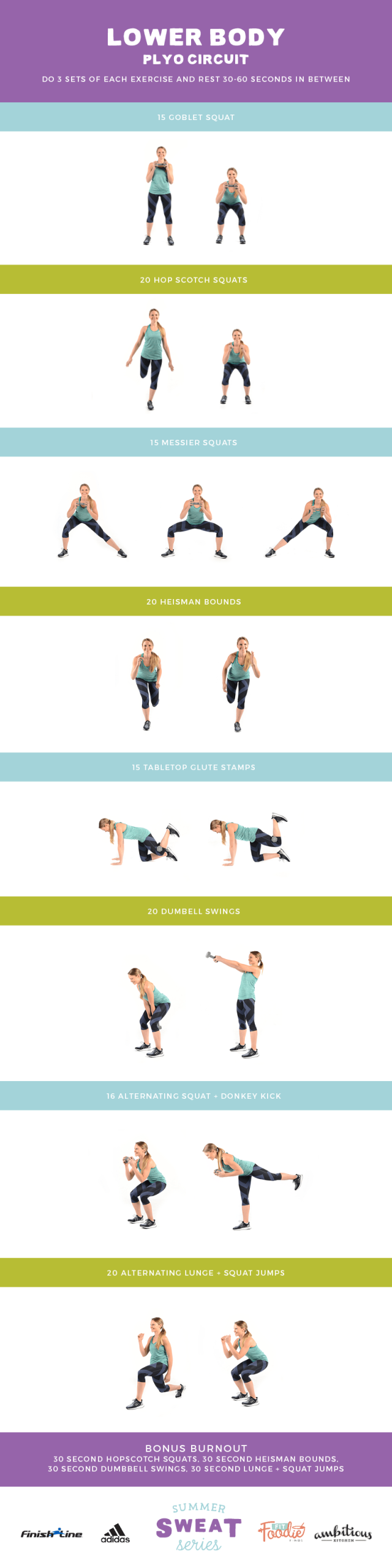
Here’s a short list of moves that’ll build power without punishing your joints. Try adding 2-3 of them into your warm-up or as a standalone session once a week.
1. Pogo Jumps (Two-Footed, Soft Knees)
Stand tall, feet hip-width apart. Jump just an inch or two off the ground—literally. Land softly with bent knees, then immediately spring up again. Keep the rhythm bouncy, like a basketball player dribbling in place. Focus on quick ground contact time. No more than 30 seconds per set.
2. Skater Hops (Lateral Low-Impact)
Start on your right foot, hop laterally to the left, landing softly on your left foot. Keep the hop low—just a few inches. Your trailing leg should swing behind you for balance. This one’s gold for hip stability and ankle proprioception. Do 8-10 reps per side.
3. Box Step-Ups (Explosive Version)
Use a low box—12 to 18 inches. Step up with your right foot, then drive your left knee upward as you push off the box. The landing is controlled, and you’re not jumping from a height. This builds single-leg power without the impact of a box jump. Switch legs after 8 reps.
4. Banded Jump Squats
Place a resistance band just above your knees. Squat down, then jump a few inches—yes, with the band. The band forces your glutes to engage, taking pressure off your knees. Land in a squat, then repeat. It’s weirdly effective for activating those often-lazy hip muscles.
5. Tuck Jumps (Modified)
Traditional tuck jumps are high-impact. Instead, jump just high enough to bring your knees to a 90-degree angle—no higher. Land with soft knees, like you’re trying to sneak up on someone. Keep the height minimal; the explosive drive matters more.
How to Program Low-Impact Plyos for Running
You don’t need a separate gym day. In fact, doing these after an easy run or on a recovery day works well. Start with 2 sets of 6-8 reps for each exercise, focusing on form over fatigue. Rest 60-90 seconds between sets.
Here’s a sample weekly schedule:
| Day | Activity | Plyo Focus |
|---|---|---|
| Monday | Easy Run + 10 min plyos | Pogo jumps & skater hops |
| Wednesday | Strength training | Banded jump squats & step-ups |
| Friday | Recovery or cross-train | Modified tuck jumps & light skipping |
That’s it—three sessions a week, 10-15 minutes each. You’ll feel springier in your stride, and your joints will thank you.
When to Avoid Low-Impact Plyos (Yeah, There’s a Catch)
Honestly, these are pretty safe. But if you have an acute injury—like a fresh sprain or a stress fracture—skip them. Let inflammation settle first. Also, if you feel sharp pain during the landing phase, stop. Dull muscle fatigue is fine; joint pain is not.
And one more thing: don’t do these on concrete. Use a gym mat, grass, or a rubberized track. Your joints deserve a forgiving surface.
The Long Game: Why This Matters for Aging Runners
Here’s the deal—as you get older, your cartilage thins. Synovial fluid decreases. That spring in your step? It can fade. But low-impact plyometrics help maintain elastic tendon properties and neuromuscular coordination. They keep your nervous system wired for quick reactions, which also prevents falls.
Think of it like this: running is a marathon for your heart, but plyos are a tune-up for your chassis. You wouldn’t drive a car for 100,000 miles without replacing the shocks, right? Same logic applies.
Final Thoughts (No Fluff)
Low-impact plyometrics aren’t a compromise. They’re an upgrade. You get the explosive benefits—faster turnover, stronger push-off, better economy—without the orthopedic tax. So next time you lace up, consider adding a few soft hops. Your knees might just whisper a quiet “thank you.”