

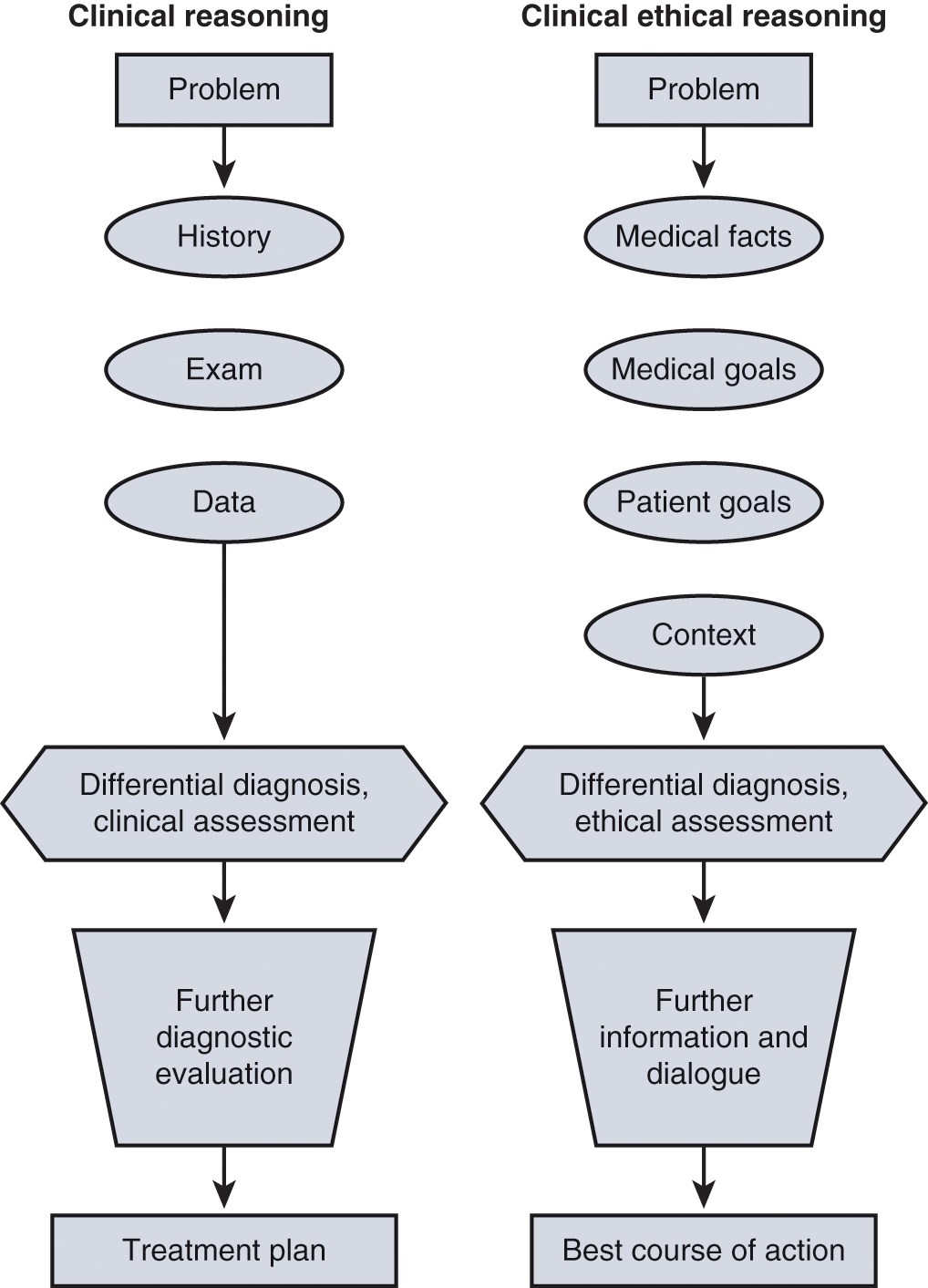
Let’s be real for a second. The idea of a teenager getting cosmetic surgery—say, a nose job or ear pinning—isn’t exactly new. But the landscape has shifted. We’re not just talking about fixing a cleft palate anymore. We’re talking about lip fillers, chin implants, and even breast augmentations for minors. And that… well, that raises some seriously thorny questions. Who gets to decide? And more importantly, how do we decide ethically?
The core tension: autonomy vs. protection
Here’s the deal. Pediatric consent isn’t like adult consent. Adults can sign on the dotted line after weighing risks and benefits. But minors? They’re in a weird gray zone. They have developing brains, shifting self-images, and a vulnerability to social pressure. So the ethical frameworks we use have to balance two big ideas: respect for the child’s growing autonomy and the duty to protect them from harm. It’s a tightrope walk, honestly.
Think of it like this: you wouldn’t let a 14-year-old sign a mortgage, right? But we let them choose their hairstyle or clothes. Cosmetic surgery sits somewhere in the middle—a permanent decision made during a temporary phase of self-discovery. That’s where the frameworks come in.
Key ethical frameworks at play
There isn’t a one-size-fits-all answer. But several ethical lenses help us navigate this mess. Let’s break them down.
1. The principle of beneficence and non-maleficence
First up: “do good” and “do no harm.” Sounds simple, right? But in pediatric cosmetic surgery, it gets fuzzy. Beneficence means the surgery should actually benefit the child—like reducing severe bullying or correcting a deformity that causes functional issues. Non-maleficence means we avoid causing unnecessary pain, scarring, or psychological distress.
For example, a teenager with a severely deviated septum might benefit from rhinoplasty—both cosmetically and functionally. But a teen asking for lip fillers because “everyone on TikTok has them”? That’s harder to justify under this framework. The risk-to-benefit ratio just isn’t there.
2. The concept of “assent” vs. “consent”
Here’s where language matters. In pediatric ethics, we talk about assent rather than full consent. Assent means the child agrees to the procedure, but it’s not legally binding. Parents give the legal consent. But ethically, the child’s voice matters—a lot.
So the framework looks like this:
- The child understands the basics (what will happen, why).
- The child expresses a voluntary wish (not pressured by parents or peers).
- The child’s decision is developmentally appropriate.
- If the child says no, that’s usually respected—even if parents say yes.
It’s a bit like letting a 12-year-old choose their own cereal at the grocery store—but with scalpels. The stakes are higher, but the principle holds: their voice counts.
3. The “best interest” standard
This is the old-school approach. The doctor and parents decide what’s best for the child, based on medical and psychological evidence. But here’s the catch: “best interest” can be subjective. A parent might think a nose job will boost their kid’s confidence. A doctor might worry about surgical risks. And the child might just want to fit in.
To make this framework work, you need a multidisciplinary team—surgeons, psychologists, pediatricians—all weighing in. No one person holds the whole truth.
Where it gets messy: elective vs. reconstructive
Let’s be clear: not all cosmetic surgery for minors is “elective.” Some procedures are reconstructive—like fixing a cleft lip or removing a birthmark that causes social distress. Those are generally less controversial because they address a clear medical or psychological need.
But purely elective procedures—like breast augmentation for a 17-year-old who wants “more curves”—that’s where the ethical alarm bells ring. Why? Because the motivation is often external. Social media, peer pressure, or even parental vanity can drive the request. And that’s a red flag under any framework.
Practical steps for ethical decision-making
So how do surgeons and families actually apply these frameworks? Here’s a rough checklist that many ethics committees use:
- Assess the child’s maturity. Is this a 13-year-old who can’t decide what to eat for lunch? Or a 17-year-old who’s been researching the procedure for months?
- Evaluate the motivation. Is it internal (I feel uncomfortable with my nose) or external (my boyfriend said I’d look better with a smaller chest)?
- Consider alternatives. Therapy, makeup, hairstyling, or simply waiting until adulthood—are these options exhausted?
- Involve a psychologist. A mental health professional can screen for body dysmorphic disorder or unrealistic expectations.
- Set a waiting period. Some clinics require a 3-6 month pause between the initial request and the surgery date. This filters out impulsive decisions.
This isn’t about gatekeeping. It’s about ensuring that the decision is truly the child’s—and that it won’t be regretted later.
The role of social media and trends
You can’t talk about this topic without mentioning the elephant in the room: Instagram, TikTok, and the “Instagram face” phenomenon. Kids are being exposed to filtered, edited, and surgically altered images daily. It’s warping their sense of normal. In fact, a 2023 survey found that nearly 40% of teens said they’d consider cosmetic surgery to look more like their favorite influencer. That’s… concerning.
Ethical frameworks need to account for this cultural pressure. A child who says “I want a nose job because my nose is ugly” might actually be saying “I feel ugly because social media tells me I am.” The solution isn’t always a scalpel—it’s often a digital detox or therapy.
Table: Comparing ethical frameworks for pediatric consent
| Framework | Core Idea | Strength | Weakness |
|---|---|---|---|
| Beneficence/Non-maleficence | Maximize benefit, minimize harm | Clear medical focus | Hard to quantify psychological benefit |
| Assent + Parental Consent | Child agrees; parents decide | Respects child’s voice | Child may not understand long-term risks |
| Best Interest Standard | Adults decide for child | Protective | Can ignore child’s wishes |
| Shared Decision-Making | All parties collaborate | Balanced | Time-consuming; requires high communication |
Each framework has its place. But most experts lean toward a hybrid model—especially for older teens. A 16-year-old might have enough maturity to give meaningful assent, but still needs parental oversight and a psychologist’s input.
What about legal consent?
Legally, the rules vary by country and even by state. In the U.S., minors under 18 generally need parental consent for any surgery. But some states have “mature minor” exceptions—where a teen can consent to certain procedures if they can demonstrate understanding. Cosmetic surgery rarely qualifies, though. Courts tend to err on the side of caution.
But ethics goes beyond law. Just because something is legal doesn’t mean it’s right. A surgeon who performs a breast augmentation on a 17-year-old because her mom signed the form might be legally covered—but ethically, they’re on shaky ground if the teen hasn’t fully grasped the implications.
The final thought (no fluff)
Pediatric consent in elective cosmetic surgery isn’t a checkbox. It’s a conversation—one that should include the child, the parents, the surgeon, and a mental health professional. It’s about asking the hard questions: Why now? Why this? And what happens if you change your mind?
The best ethical framework is the one that slows things down. It creates space for doubt, for second thoughts, for growth. Because here’s the truth: a teenager’s face will change. Their body will change. But a scar? That’s forever. And we owe it to them to make sure the decision is theirs—truly theirs—not just a reflection of a trend, a parent’s dream, or a fleeting insecurity.
In the end, the most ethical choice might be to wait. But if we do proceed, let’s do it with eyes wide open—and with the child’s voice at the center of the room.